

Cryotherapy and Cold Exposure: WhyAthletes Use It for Recovery andPerformance.
Author :- Taher Kudrati
Cold exposure has become a staple in modern athletic recovery. From ice baths in locker rooms to advanced cryotherapy chambers, athletes across sports are increasingly turning to cold as a way to recover faster and perform better. While there is ongoing scientific discussion about its long term effects, the practical benefits of cryotherapy, especially for recovery and performance readiness are hard to ignore. At its core, cryotherapy is less about extremes and more about strategic recovery, helping athletes maintain consistency in training and competition.
What Is Cryotherapy and How Does It Work?
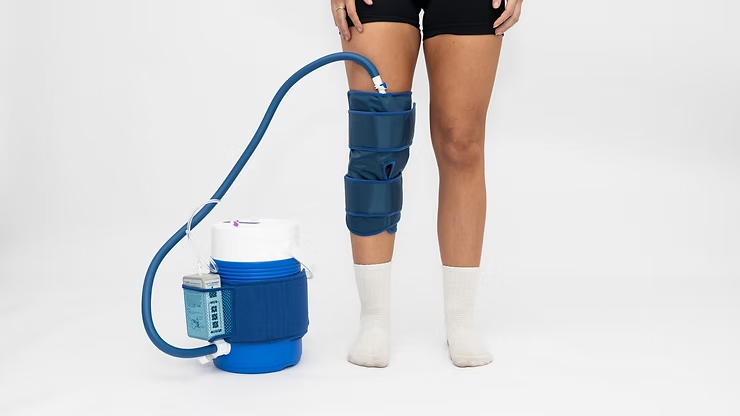
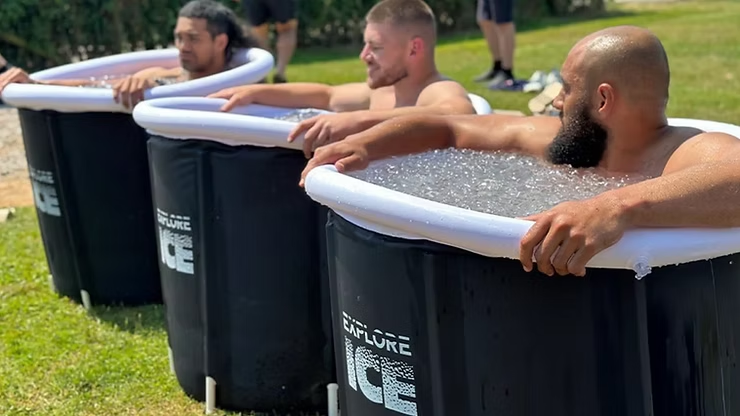
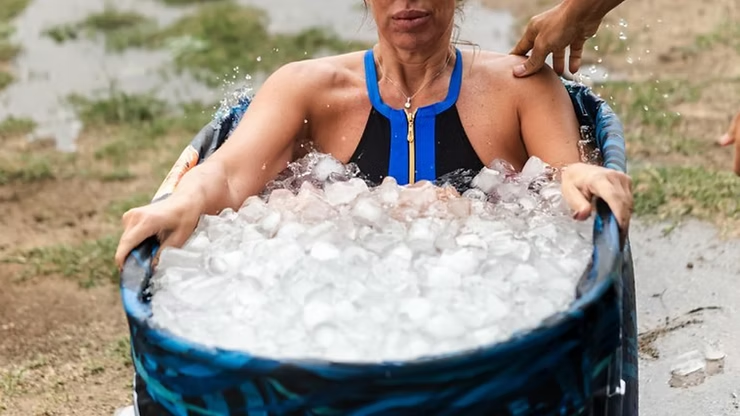
Cryotherapy involves exposing the body to cold temperatures, typically through cold water immersion at around 10 to 15 degrees Celsius or short duration whole body cryotherapy sessions. When the body is exposed to cold, it responds by constricting blood vessels, reducing tissue temperature, and slowing nerve activity. This physiological response helps limit excessive inflammation, reduce swelling, and decrease pain signals. As the body begins to rewarm, blood vessels dilate again, increasing circulation. This process supports the removal of metabolic byproducts and improves the delivery of oxygen and nutrients to the muscles. In simple terms, cryotherapy helps the body reset more efficiently after physical stress.
Reduced Muscle Soreness and Faster Recovery
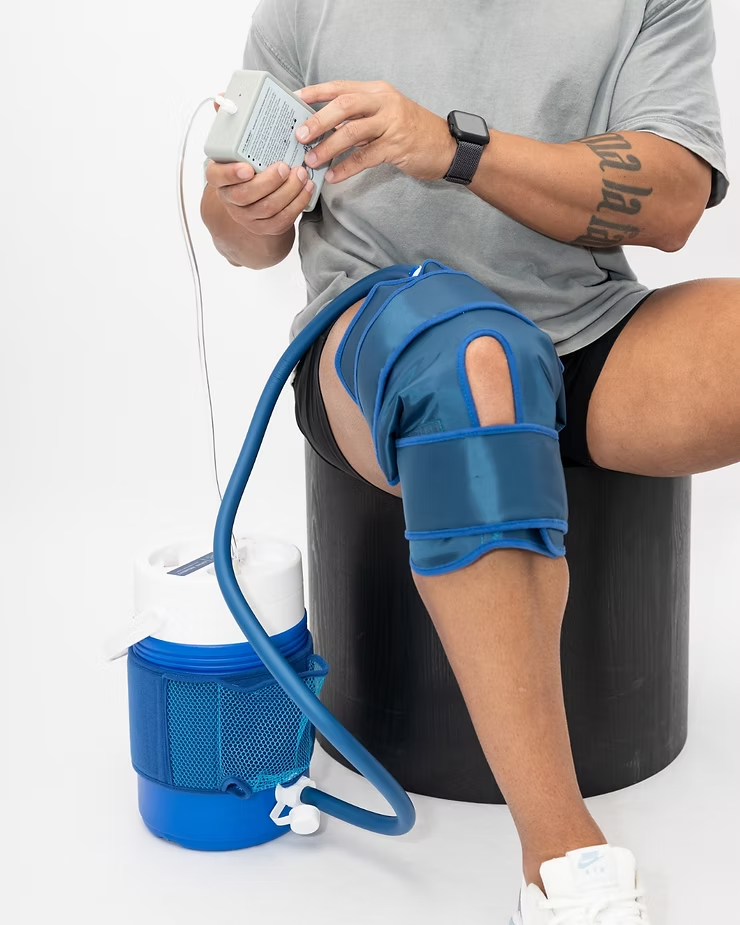
One of the most well-established benefits of cryotherapy is its ability to reduce delayed onset muscle soreness. After intense exercise, muscles undergo microscopic damage, which leads to inflammation, stiffness, and discomfort that can last for one to three days. Cold exposure helps manage this response by lowering tissue temperature and moderating inflammatory processes. As a result, athletes often experience less soreness, reduced stiffness, and improved ease of movement in the hours and days following training. This allows them to return to training sooner and maintain a higher quality of movement across sessions, which is essential for consistent performance improvements.
Improved Recovery Between Sessions
In high performance sports, the speed of recovery can directly influence results. Athletes often train multiple times a day or compete within short intervals, leaving limited time for the body to recover fully.Cryotherapy supports this process by reducing neuromuscular fatigue and lowering the perception of effort following intense exercise. Even when physiological recovery is still ongoing, the feeling of being more recovered can positively impact performance. Athletes who feel fresher are more likely to train with greater intensity, better technique, and improved focus, all of which contribute to better outcomes over time.
Enhanced Performance During Congested Schedules
Cryotherapy is particularly valuable during periods of frequent competition, such as tournaments or back to back matches. In these situations, the primary goal is not long-term adaptation but maintaining performance across multiple efforts.Cold exposure helps limit the accumulation of fatigue and muscle damage from repeated activity. By supporting recovery between events, it allows athletes to maintain consistent output, movement quality, and decision making ability. This is why cryotherapy is widely used in professional sport environments where athletes are required to perform at a high level with minimal recovery time.

Pain Reduction and Injury Management
Another important benefit of cryotherapy is its role in reducing pain and discomfort. Cold exposure slows nerve conduction, which decreases the sensation of pain and provides immediate relief following intense or high-impact activity.For athletes experiencing muscle tightness, minor strains, or joint discomfort, this can make a significant difference in how they feel and perform in subsequent sessions. While cryotherapy does not replace proper medical care or rehabilitation, it serves as an effective supportive tool in managing minor issues and maintaining training continuity
Mental Refresh and Nervous System Reset
In addition to physical recovery, cryotherapy has a noticeable effect on the nervous system. Exposure to cold can increase alertness, improve mood, and create a sense of mental clarity.Many athletes report feeling more awake, focused, and mentally refreshed after cold exposure. This psychological benefit can be especially useful before training or competition, where mental readiness plays a key role in performance. The ability to feel reset and re-energized can enhance confidence and help athletes approach their sessions with greater intent.
Conclusion
Cryotherapy and cold exposure have become widely adopted in sport because they offer practical and immediate benefits. By reducing muscle soreness, improving recovery speed, managing pain, and supporting mental readiness, cold exposure helps athletes maintain consistency in both training and competition.Cryotherapy provides athletes with a valuable edge, allowing them to recover faster, feel better, and perform at a higher level when it matters most.In high performance environments, where consistency is key, cryotherapy is not just about recovery, it is about sustaining performance over time.