IN-SEASON VS OFF-SEASON STRENGTH & CONDIOTIONING
Why Athletes Shouldn’t Train the Same Way All Year By Prashant Dubey If your athletes lift the same weights, run the same conditioning, and train with the same volume in December as they do
READ MORE

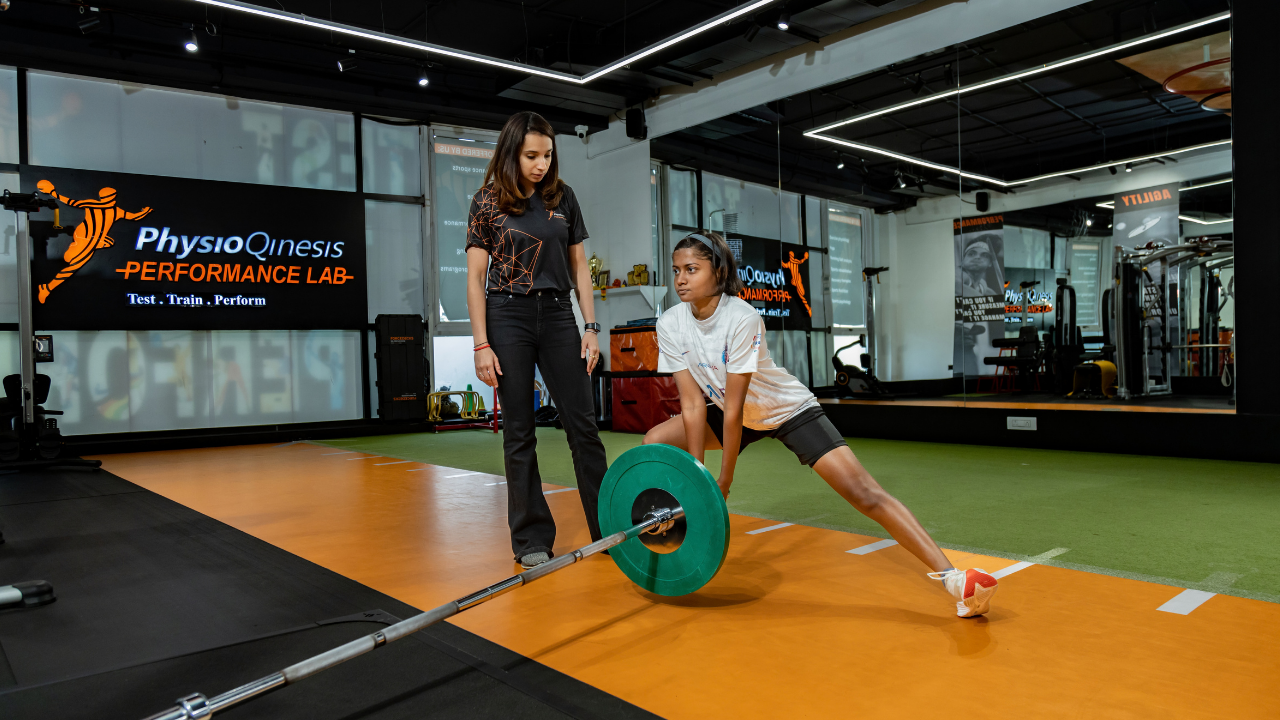
Why Athletes Shouldn’t Train the Same Way All Year By Prashant Dubey If your athletes lift the same weights, run the same conditioning, and train with the same volume in December as they do
READ MORE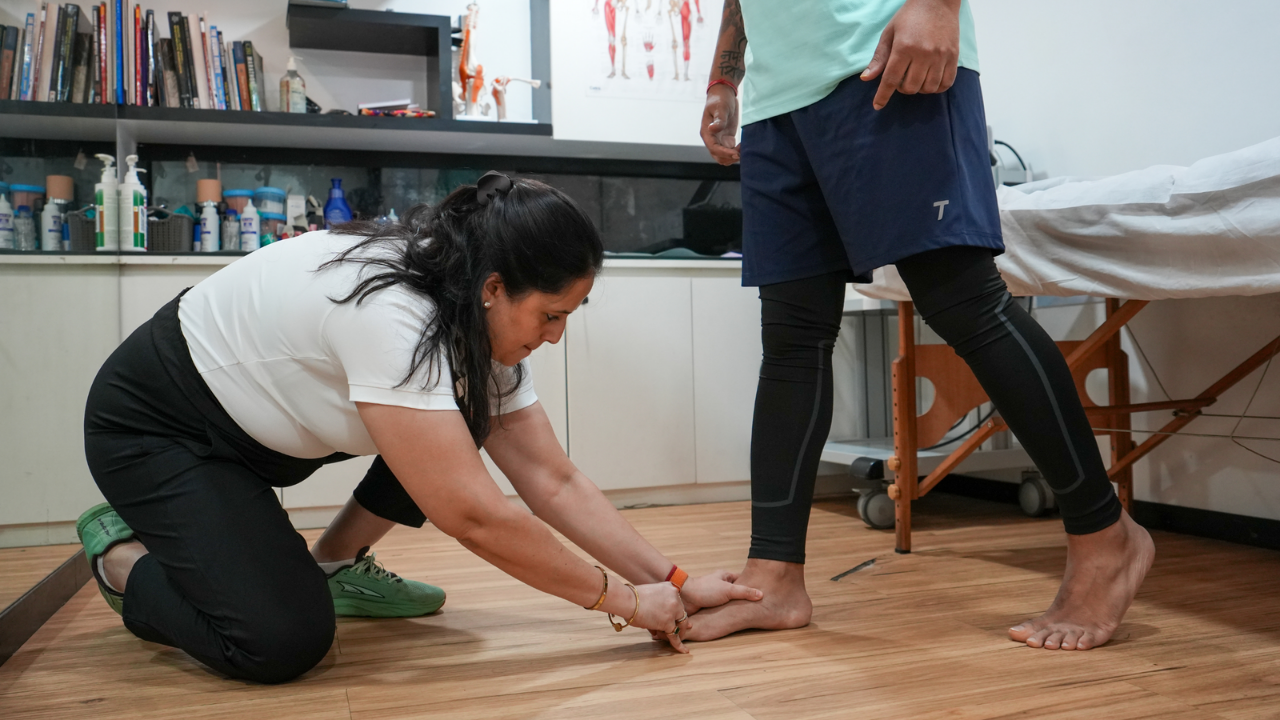
Author :- Ms. Pradnya Phapale Have you ever tried an exercise because someone you know had the same injury, only to find that it made your pain worse? Or maybe you know someone who
READ MORE
For some children, sitting still, following instructions, or staying focused for long periods can feel much harder than it looks. They may constantly move, become distracted easily, act impulsively, or struggle to stay engaged
READ MORE
Ankle sprains are among the most common musculoskeletal injuries, particularly in athletes involved in sports that require running, jumping, landing and frequent changes in direction. For many people, the initial injury improves within a
READ MORE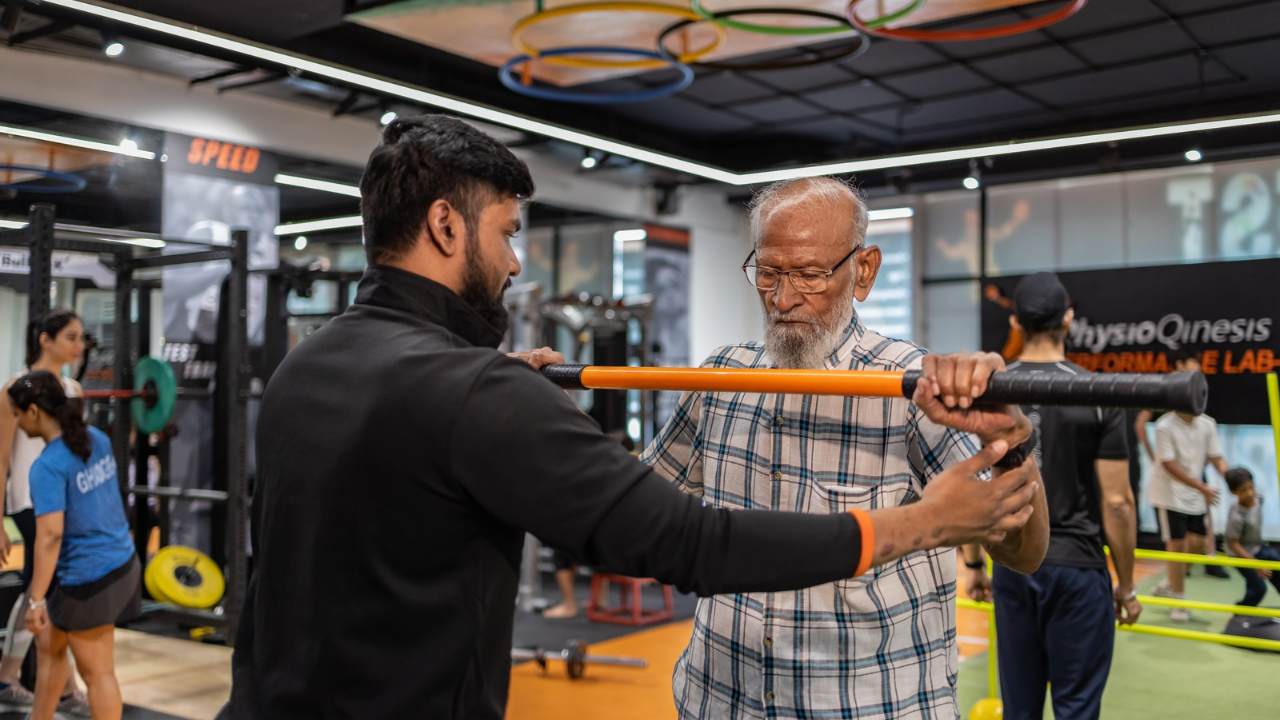
Small stumbles, a “close call” on the stairs, a moment of instability when reaching for a cabinet are all indications of a quiet pattern that takes place in the lives of older adults. These
READ MORE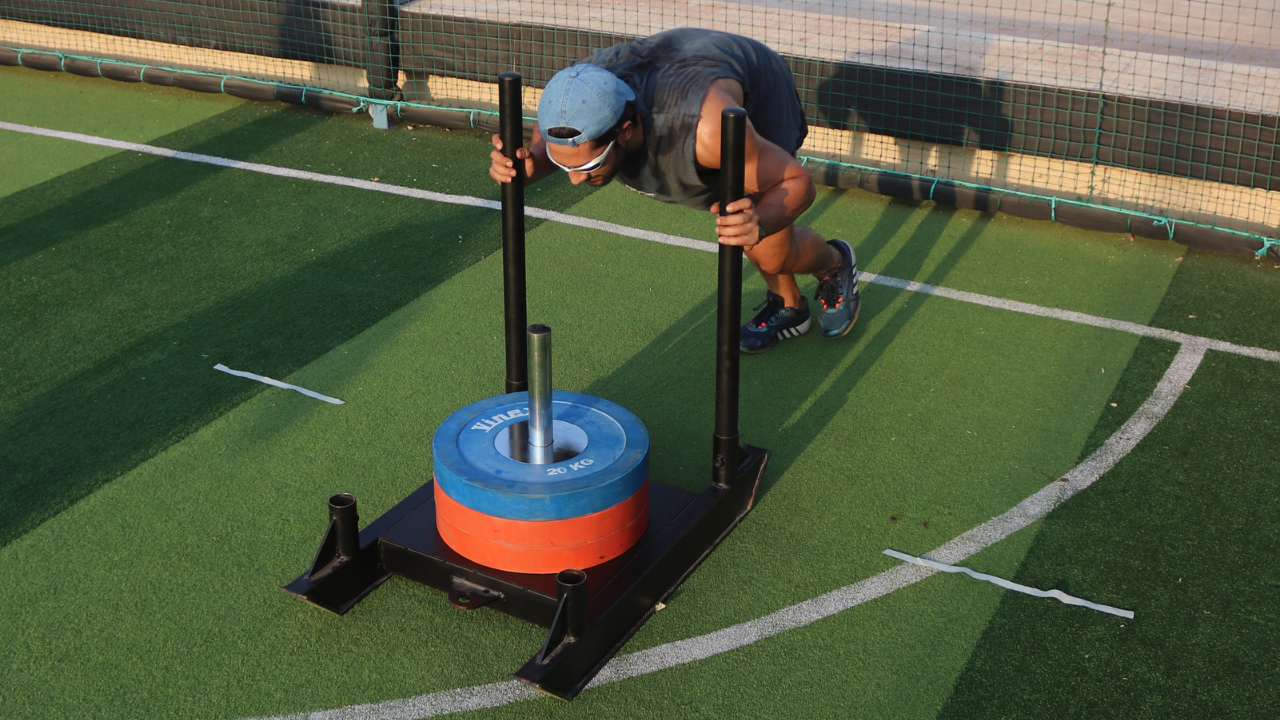
The Physio's Guide to Tapering for Hyrox Hyrox athletes pour months into sled pushes, wall balls, and compromised running — building an engine capable of real performance. Yet in clinic after clinic, physiotherapists see
READ MORE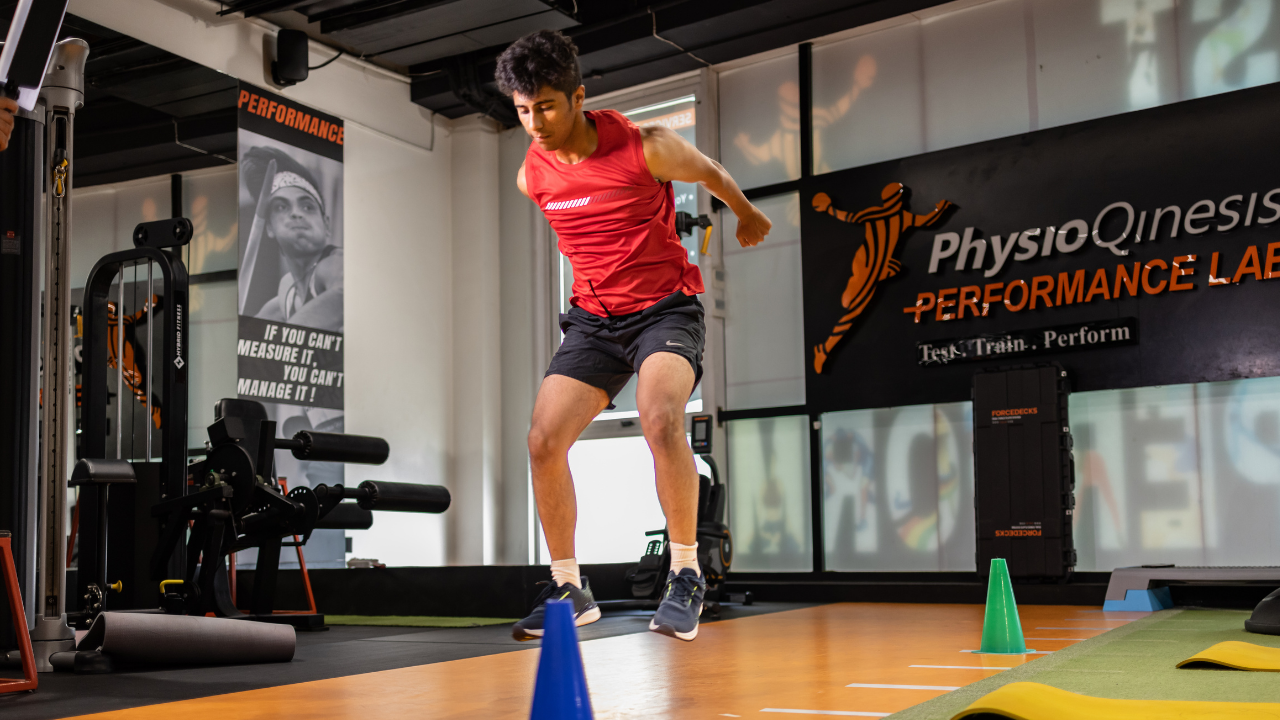
When we talk about athletic performance, speed usually gets all the attention. We want athletes to sprint faster, accelerate harder, jump higher, and change direction more quickly. But there is another side of speed
READ MORE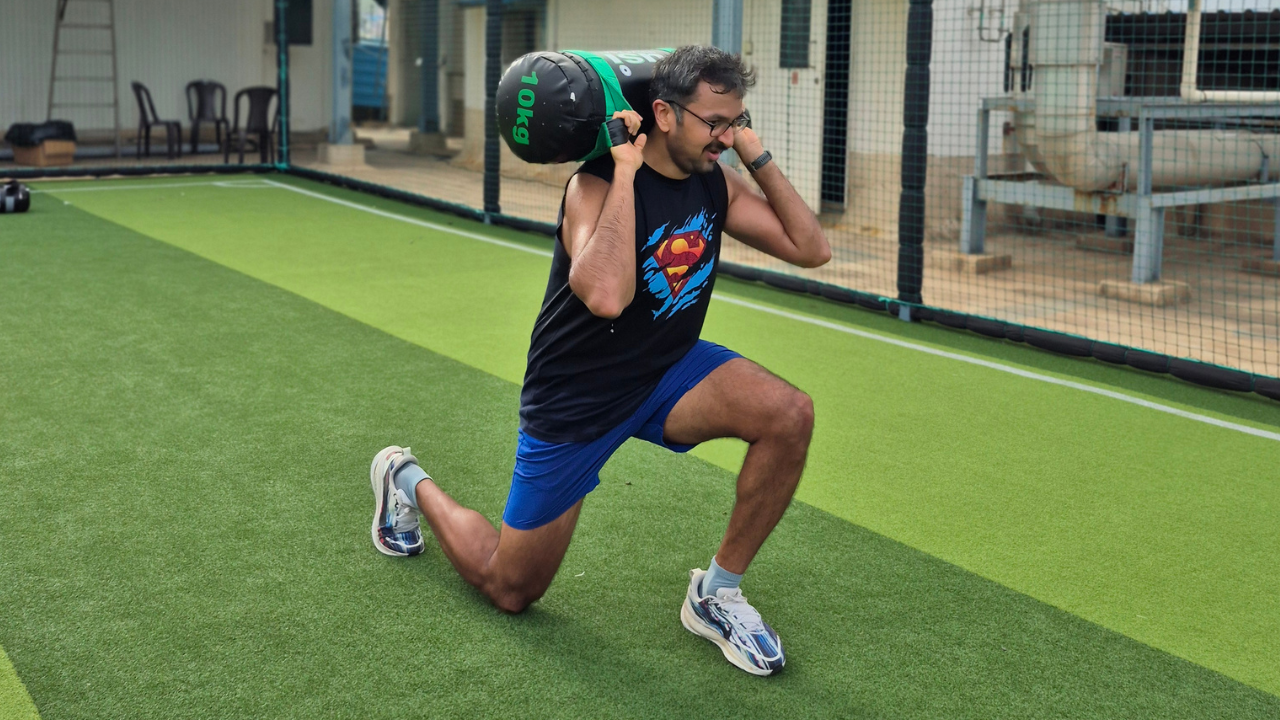
Whether you're training for your first 5K, preparing for a marathon, or gearing up for a HYROX race, pain along the inside of your shin is one of the most common injuries that can
READ MORE
Walk into any centre and you'll find a row of cardio machines waiting to be used. Some people head straight for the treadmill, others prefer the stationary bike, while a few swear by the
READ MORE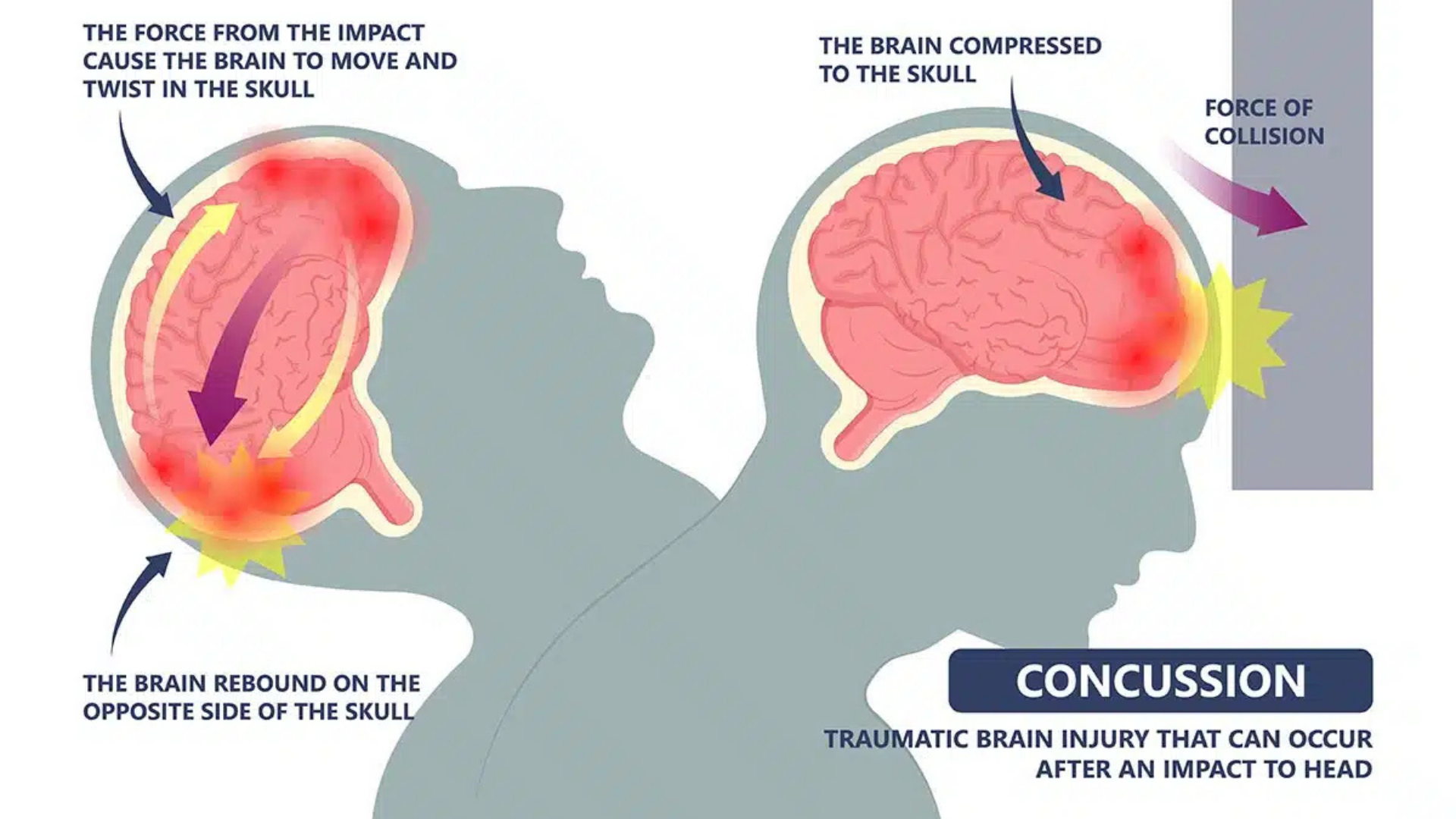
Imagine this. You're playing football with your friends. In the final few minutes, two players jump for the ball and accidentally crash into each other. One of them falls, gets up a few seconds
READ MORE
A little celebration from us to you.