

Author :- Ms. Pradnya Phapale
Have you ever tried an exercise because someone you know had the same injury, only to find that it made your pain worse? Or maybe you know someone who had a similar injury and seemed to recover much faster, while you are still working through the basics.
It can be confusing. If two people have the same diagnosis, why can their rehabilitation look so different?
The answer is simple: a diagnosis tells us what the injury is, but it doesn’t tell us everything about the person experiencing it.
Your symptoms, strength, daily activities, previous injuries and goals can all influence your recovery. This is why physiotherapy should never be a one-size-fits-all approach.
1. Your daily activities and goals are different
Think about two people with lower back pain. One may spend most of the day sitting at a desk, while another may spend their working day lifting, bending and moving around. Although the diagnosis may be similar, the physical demands on their bodies are very different. The same applies to your goals.
Someone who wants to get back to walking comfortably may need a different rehabilitation plan from someone preparing to run a half-marathon. An athlete returning to sport will eventually need to work on much more than simply getting through daily activities.
Rehabilitation should prepare you for the things you actually want and need to do.
2. The same exercise isn't necessarily right for everyone
Two people with the same shoulder injury may have completely different levels of strength, movement and pain.
One person may be ready for resistance training, while another may first need to work on basic movement and muscle activation.
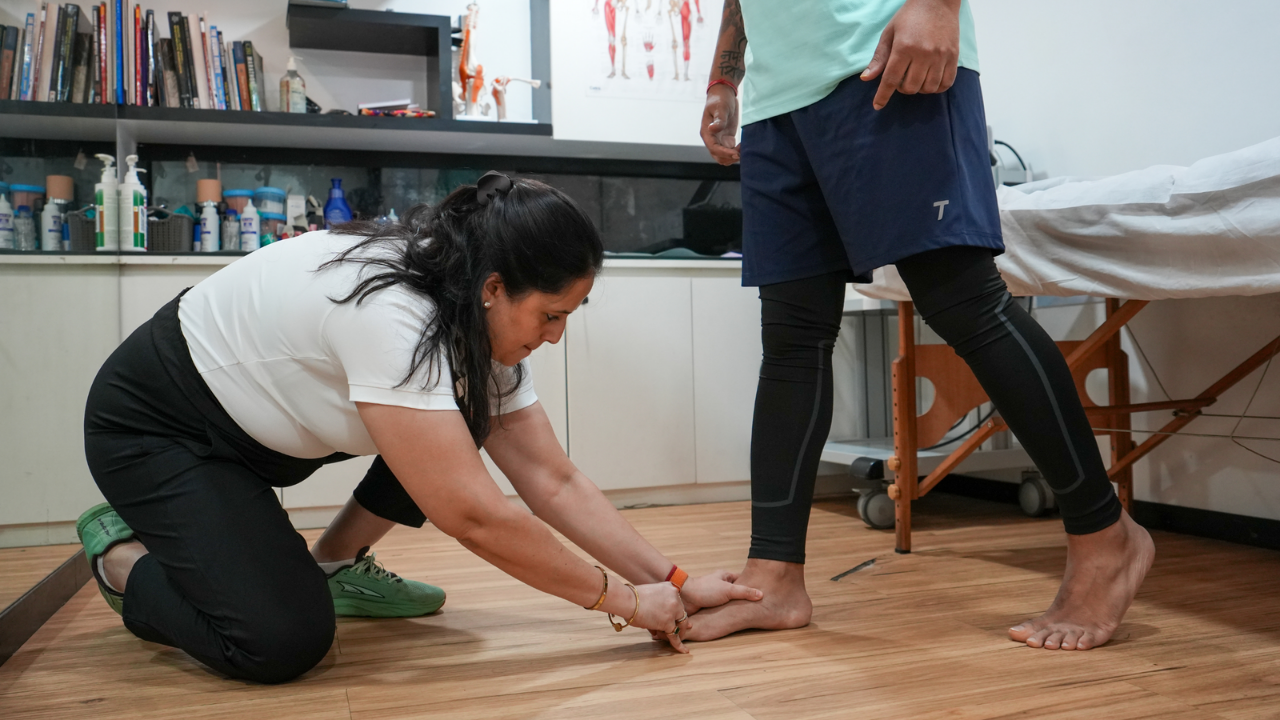
This is where physical assessment becomes so important.

3. Pain can be different from person to person
Pain is important, but it doesn’t always tell the whole story.
Two people can have similar findings on an X-ray or MRI and experience very different levels of pain or difficulty with movement.
Factors such as sleep quality, stress levels, past experiences with injury, and overall activity habits directly influence how your nervous system processes pain.
4. Your stage of recovery
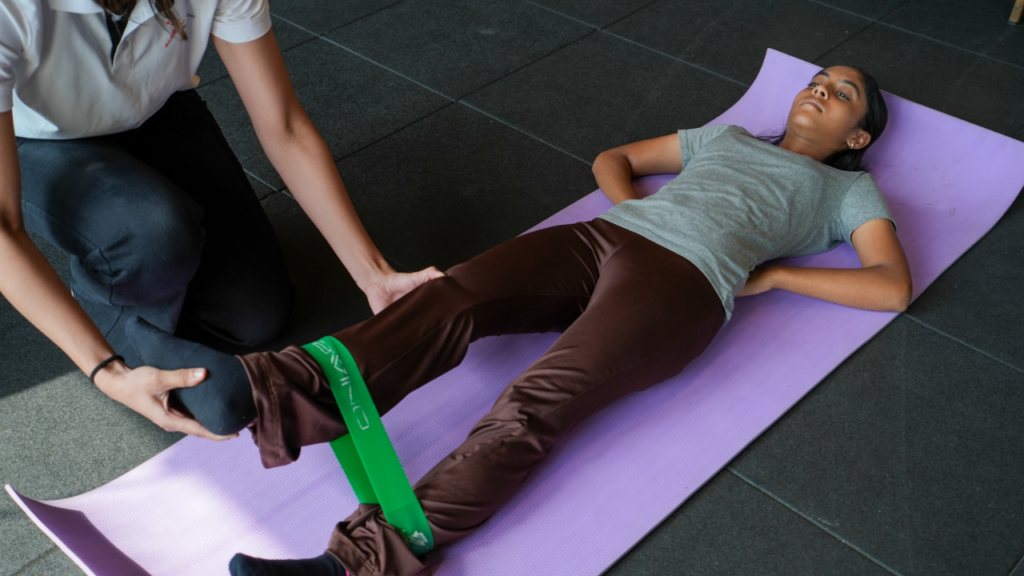
Physiotherapy shouldn’t remain exactly the same from the first session until the end of rehabilitation.
As your strength, movement and confidence improve, your exercises and activity levels should usually progress as well.
For example, rehabilitation may begin with simple movements and basic strengthening and gradually progress toward heavier resistance, running, jumping or sport-specific activities—depending on what you need to return to.
5. Previous injury history
Previous injuries can influence how you move and how your body responds to a new injury.
Past muscle weakness, reduced joint mobility, or old movement compensations need to be addressed so you don’t end up re-injuring the area down the road.
6. Physical activity levels
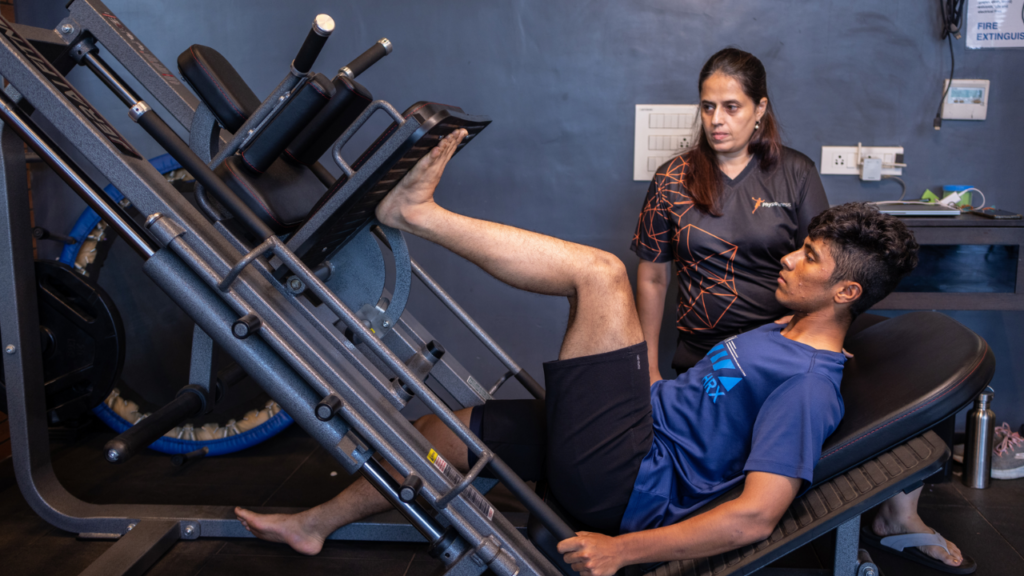
Your body experiences load throughout the day—from walking and climbing stairs to exercising, lifting and playing sport.
Someone who is already highly active will require a completely different loading strategy compared to someone who has been relatively inactive.
What an Effective, Individualized Plan Includes
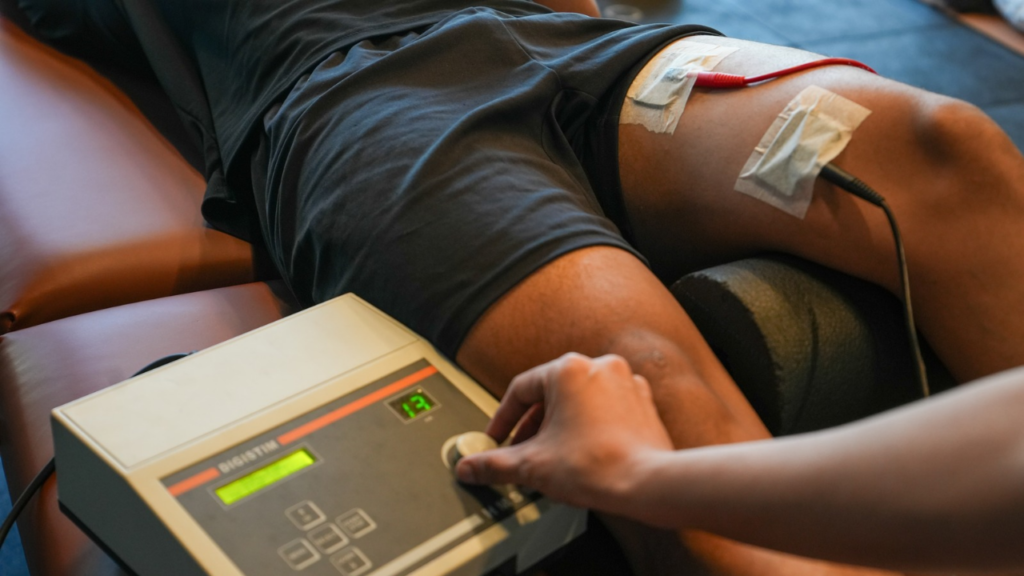
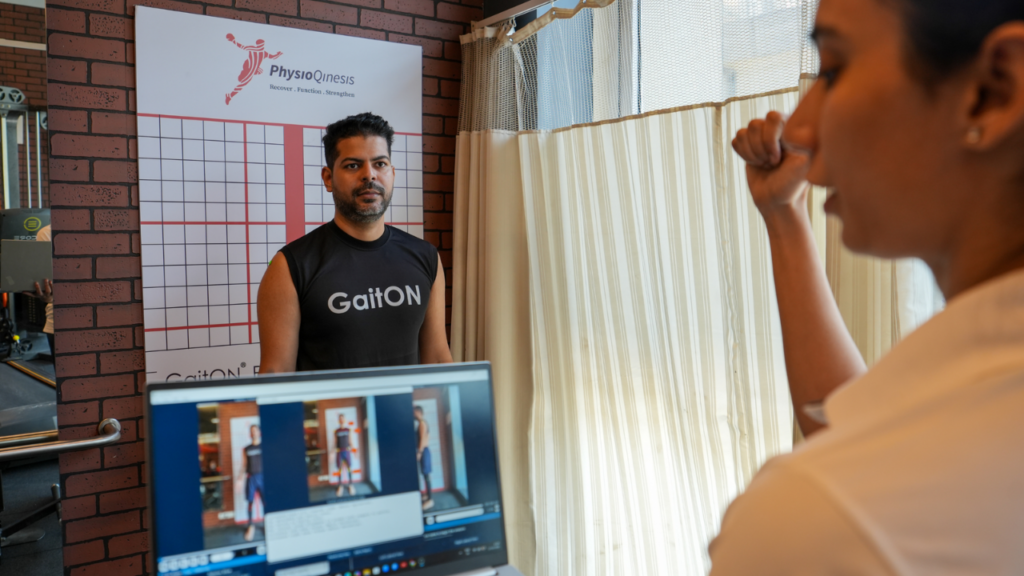
This is where a thorough clinical assessment becomes important.
Rather than following a generic template, a physiotherapist considers your relevant history, pain and irritability, muscle strength, mobility, movement patterns, activity levels and goals.
These findings help determine where to start, what needs to be addressed and how your rehabilitation should progress. Your plan can then be adjusted as your strength, movement and confidence improve.
The goal is simple: to help you return safely to the activities that matter to you.
Same diagnosis. Different person. Different needs. Different rehabilitation.