Author :- Aniruddha Khedekar
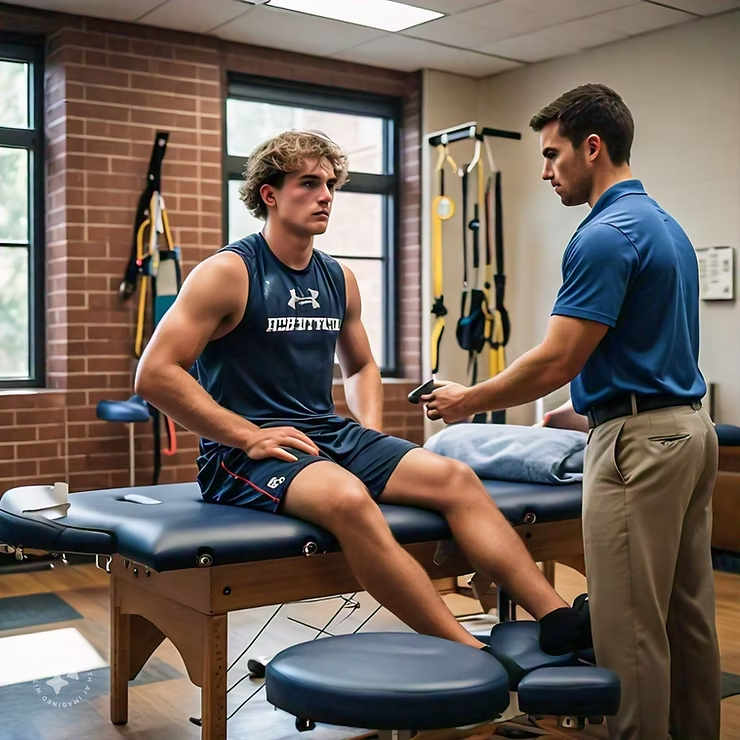
Recognizing Early Signs of Knee Problems
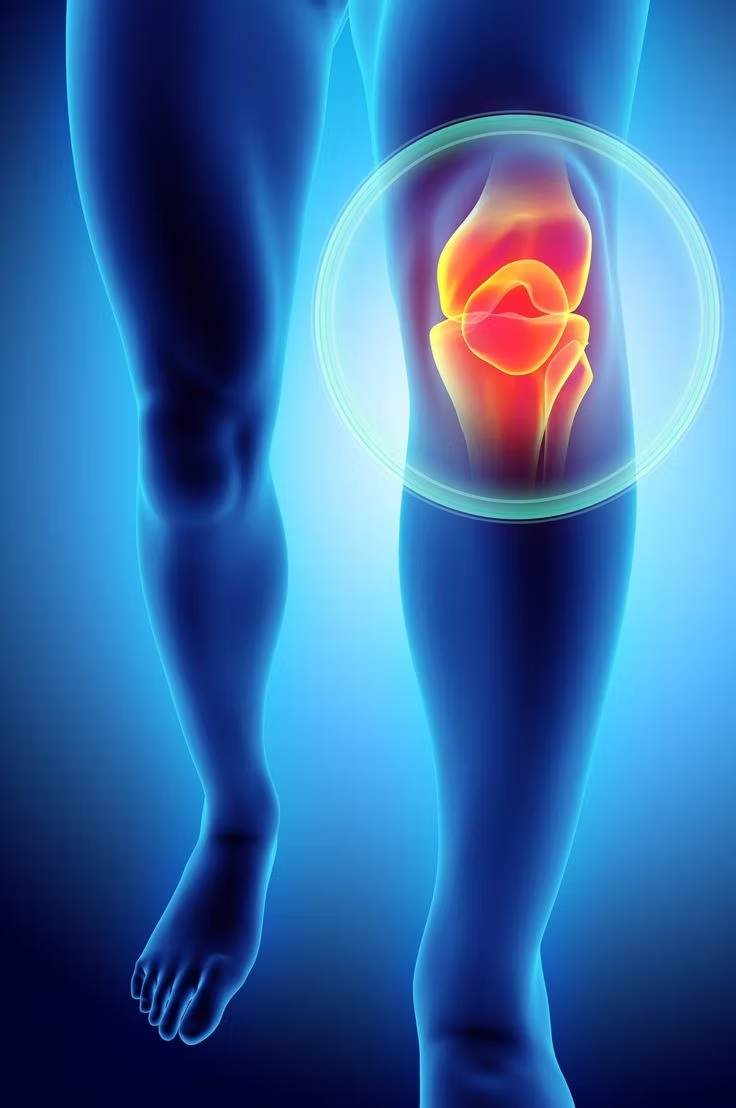
Understanding the subtle signals of knee discomfort can help in addressing issues before they worsen. Here are key symptoms to watch for:
● Persistent Pain: Occasional discomfort after a workout or prolonged activity is common, but if knee pain persists or worsens with regular activities, this could signal an underlying problem.
● Swelling and Redness: Swelling or redness around the knee joint often indicates inflammation, which could result from an injury, infection, or chronic condition such as arthritis.
● Stiffness and Reduced Mobility: Difficulty bending or straightening the knee, particularly in the morning or after sitting for a while, can be a sign of joint inflammation or early arthritis.
● Weakness or Instability: A feeling of weakness, giving way, or instability when standing or walking can point to ligament or cartilage issues, such as an ACL (anterior cruciate ligament) injury or meniscus tear.
● Clicking or Popping Sounds: Occasional popping sounds are common and may not always be a concern. However, consistent clicking or grinding sounds, especially with pain, might indicate damage to cartilage or other joint structures.
● Pain with Specific Movements: Pain when climbing stairs, standing up from a sitting position, or squatting is often due to stress on the knee cap, a condition known as patellofemoral pain syndrome.
Preventive Measures for Healthy Knees
Preventing knee problems involves proactive measures targeting strength, flexibility, lifestyle, and awareness of movement. Let’s break it down:
1. Strengthening Of Hip and Knee Musculature
● Quadriceps: Perform squats, leg presses, and step-ups to strengthen these knee-
stabilizing muscles.
● Hamstrings: Hamstring curls and deadlifts build the muscles at the back of your thighs.
● Glutes and Core: Strong hips and core improve overall lower body alignment, reducing
stress on the knees. Try glute bridges, side planks, and hip abduction exercises.
2. Improve Flexibility
● Tight muscles can pull unevenly on the knee joint, leading to pain or injury. Stretch
regularly:
○ Hamstring Stretch: Sit with one leg extended and lean forward gently.
○ Calf Stretch: Stand against a wall and stretch one leg back, keeping the heel on the ground.
○ Hip Flexor Stretch: Lunge forward while keeping your torso upright.
3. Engage in Low-Impact Activities
● Replace high-impact workouts with joint-friendly exercises:
○ Swimming: Provides a full-body workout without stressing the joints.
○ Cycling: Strengthens leg muscles while promoting smooth joint motion.
○ Elliptical Machines: Mimic walking or running without impact.
4. Maintain Healthy Body Weight
● Adopting a balanced diet and regular exercise reduces knee pressure. Include:
○ Omega-3 Fatty Acids: Found in salmon, walnuts, and flaxseeds, they reduce joint
inflammation.
○ Antioxidants: Berries, spinach, and green tea help combat oxidative stress on the joints.
○ Vitamin D and Calcium: Essential for bone health, found in dairy products, leafy greens,
and fortified foods.
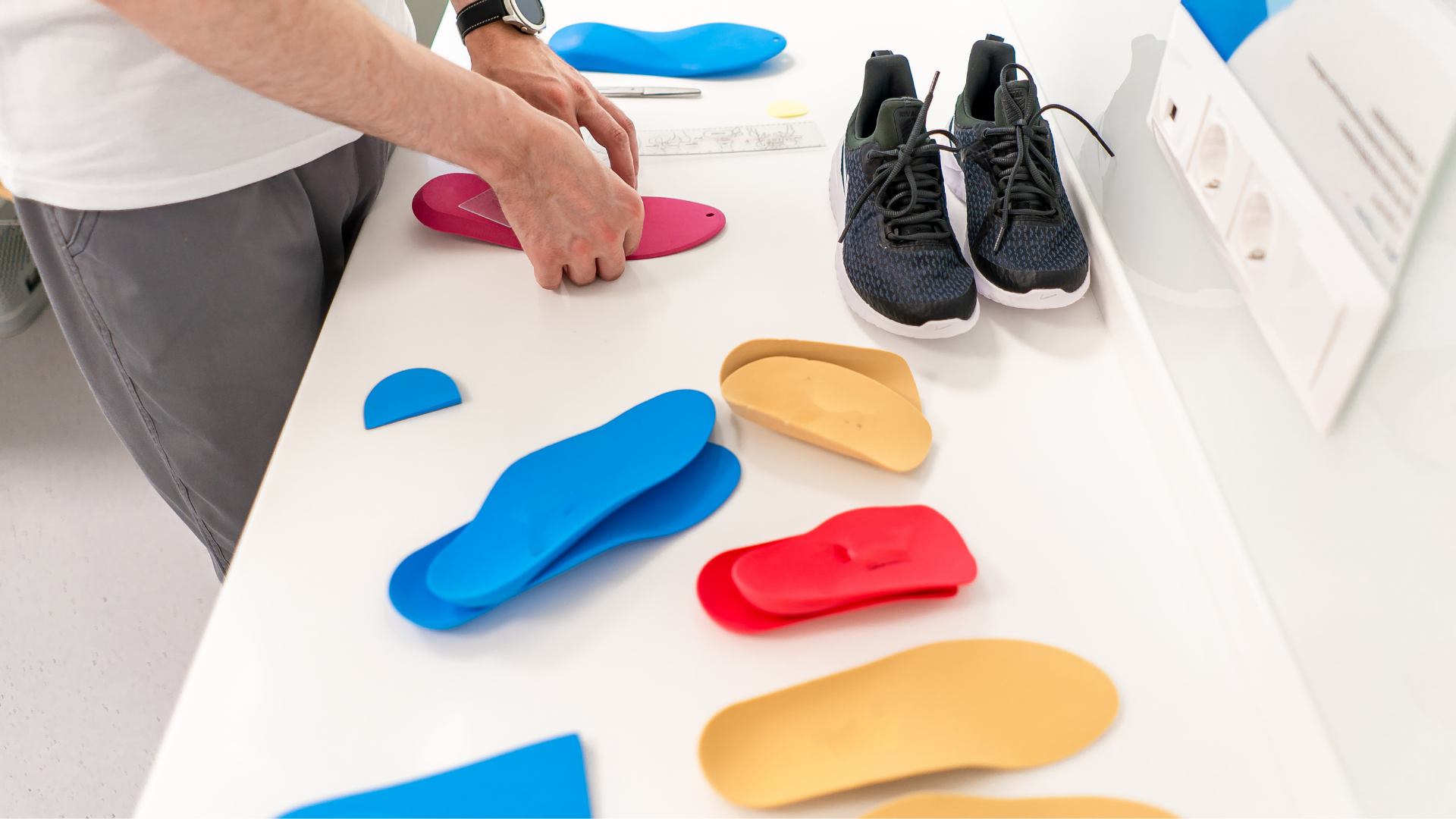
5. Choosing the Right Footwear
● Shoes with proper arch support and cushioning absorb shock and align the knees
correctly. Avoid overused or worn-out footwear.
6. Focus on Proper Techniques
● When lifting weights or running, ensure proper form to minimize unnecessary strain on the
knees.
● Warm up before exercise and cool down afterward to protect your joints.
7. Rest and Recovery
● Avoid overtraining, and listen to your body. If you feel knee pain during exercise, stop and
rest.
● Use ice to reduce swelling or a heating pad to relieve stiffness post-exercise.
When to Seek Medical Attention
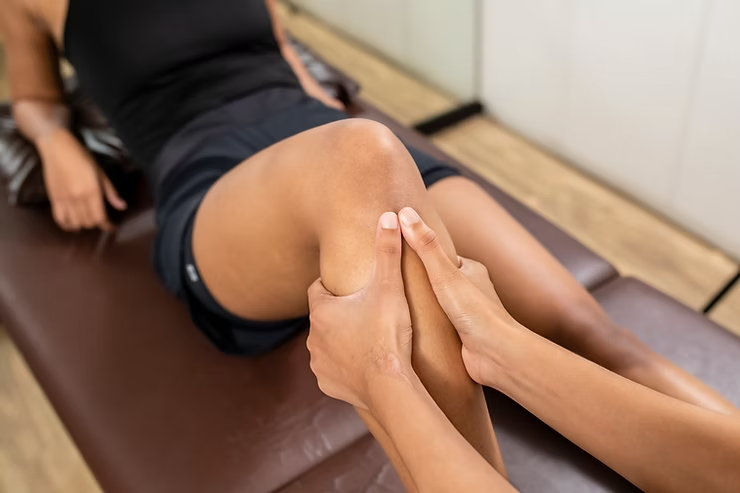
Sometimes, preventive measures are not enough, and medical evaluation becomes necessary. Consult a healthcare professional if you experience:
● Severe pain or swelling after an injury.
● Persistent pain that interferes with daily activities.
● Inability to bear weight on the knee.
● Locking, instability, or noticeable deformity in the knee.
A doctor may recommend imaging tests like X-rays or MRIs to identify the issue and suggest treatments such as physical therapy, medication, or, in severe cases, surgical intervention.