

Dehydration in Swimmers: The Silent Performance Killer
Author :- Mr. Archit Vikharankar
Why Swimmers Are at Risk
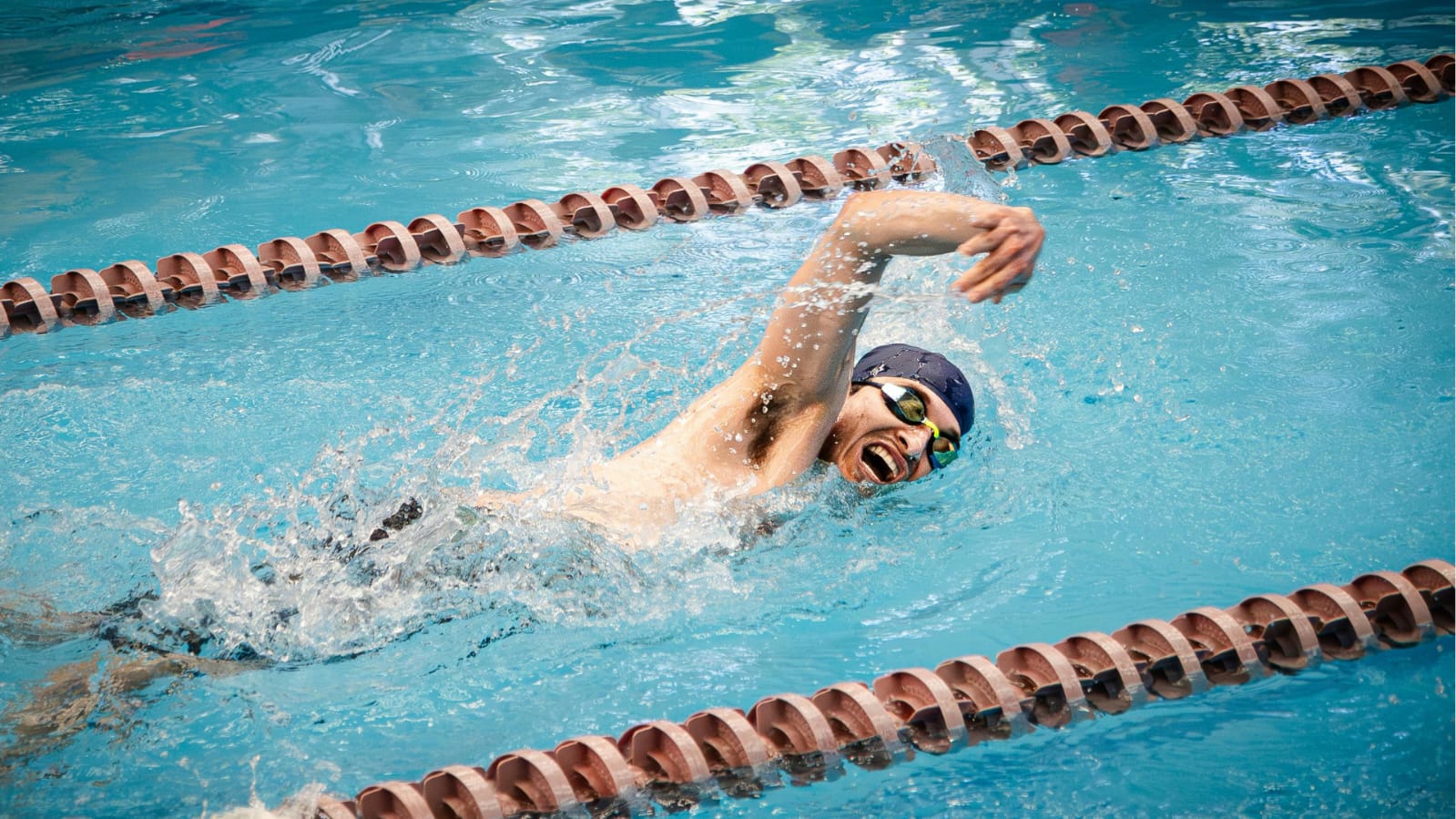
Unlike runners or cyclists, swimmers don’t feel sweat loss because swimmers are immersed in water, they often fail to recognize sweat loss and early dehydration symptoms. Combined with long training hours, this can lead to significant fluid loss through sweating and respiration. Dehydration affects reaction time, coordination, short-term memory, and focus, all vital for competitive swimming.
Latest Research Findings:
Recent research has explored the combined role of hydration and nutritional supplementation in swimming performance. Some studies suggest improved metabolic efficiency, reduced perceived exertion, and lower exercise heart rate during high-intensity efforts. However, hydration remains the primary factor influencing performance, recovery, and thermoregulation in swimmers.”
Takeaway: Proper hydration amplifies the benefits of nutritional strategies, boosting endurance and recovery.
Takeaway: Proper hydration amplifies the benefits of nutritional strategies, boosting endurance and recovery.
Signs of Dehydration in Swimmers:
- Dry mouth despite being in water
- Unusual fatigue during sets
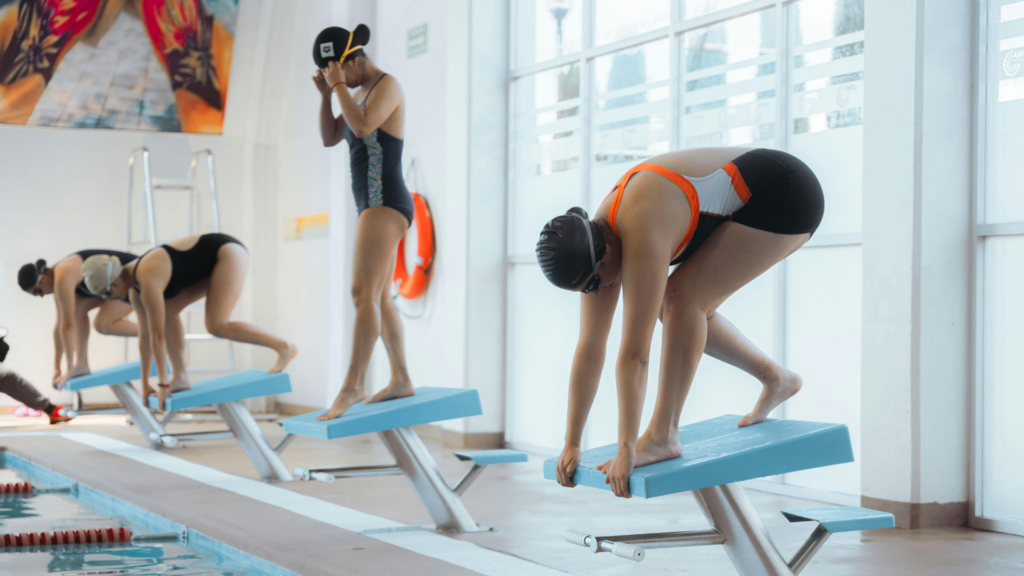
- Slower reaction times off the blocks
- Difficulty concentrating on technique
- Increased heart rate compared to normal effort
|
|
|
|
|
|
|
|
|
|
|
|

Practical Hydration Tips for Swimmers:
- Monitor urine color: Pale yellow = hydrated; dark = dehydrated.
Risks of Ignoring Hydration
- Performance decline: Reduced endurance and slower lap times.
- Why Hydration Matters:
- Hydration is the cornerstone of peak swimming performance. Water regulates body temperature, supports cardiovascular efficiency, and maintains muscle function—all critical for athletes training in demanding aquatic environments.
- Even mild dehydration can impair reaction time, focus, and coordination, leading to slower lap times and increased fatigue. Proper fluid balance ensures that energy systems run efficiently, reduces the risk of cramps, and accelerates recovery after intense sets.
- In short, hydration isn’t just about replacing lost fluids—it’s about sustaining endurance, protecting against injury, and keeping swimmers mentally sharp in the pool.
How Physiotherapy Helps Swimmers:
- Hydration Management
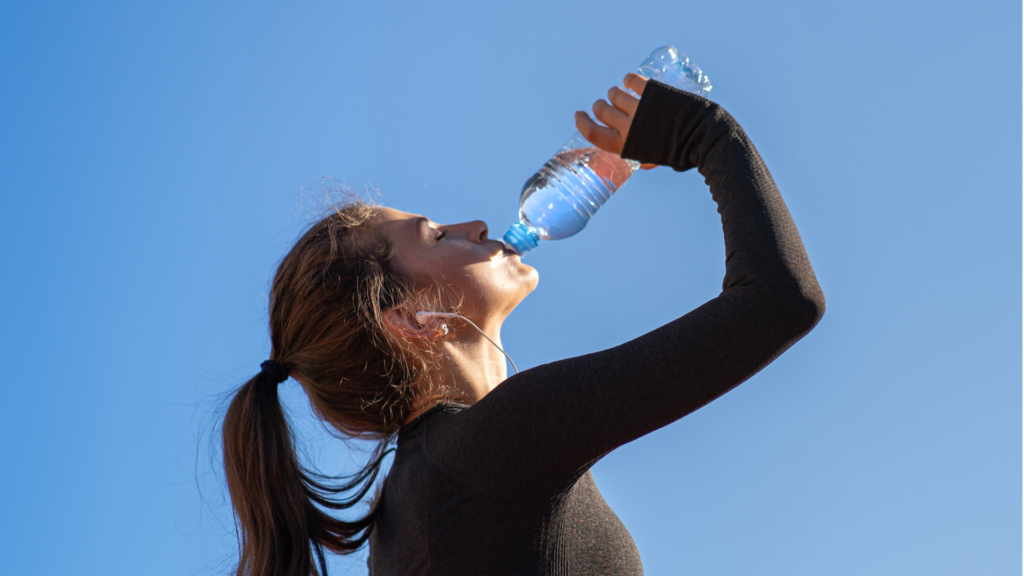
- Physiotherapists assess sweat rate, electrolyte loss, and urine osmolality to design personalised hydration plans, they use real-time monitoring tools (wearable sensors, urine dipsticks) to detect mild dehydration early. Post-training, they guide rehydration protocols with fluids + electrolytes to restore balance
- Injury Prevention & Recovery
- Swimmer’s shoulder, breaststroker’s knee, and lower back pain are common when dehydration reduces muscle efficiency.
Practical Takeaways for Swimmers:
- Pre-hydrate: Begin sessions with adequate fluid intake 2–3 hours before training to prime your body.
- During sessions: Use marked bottles and scheduled breaks to sip fluids every 15–20 minutes, even if you don’t feel thirsty.
- Post-training: Replace fluids with water and electrolytes to restore balance; weighing yourself can help track fluid loss.
- Monitor hydration: Check urine color regularly—pale yellow indicates good hydration, while darker shades signal dehydration.
- Consistency matters: Treat hydration as a performance strategy, not just a recovery step. Staying hydrated keeps muscles efficient, reduces injury risk, and sharpens focus in the pool.


Gabrielle779
July 8, 2026 7:07 pmhttps://shorturl.fm/kmKfV
Jessica Lopez
August 7, 2026 11:36 pmSimple, effective, and easy to understand.
Christopher Phillips
August 8, 2026 1:21 amCould you provide more examples in your next write-up?
Ava Allen
August 8, 2026 1:21 amThis was exactly what I was looking for. Appreciate it!
Hannah Young
August 12, 2026 4:22 amIs there any workaround for Windows users specifically?