
Author :- Dr. Archit Vikharankar
The Physio's Guide to Tapering for Hyrox
Hyrox athletes pour months into sled pushes, wall balls, and compromised running — building an engine capable of real
performance. Yet in clinic after clinic, physiotherapists see the same story: an athlete who trained smart for months panics
in the final weeks, crams in “one more big block,” and limps to the start line with a shin ache they’d been ignoring for
days.
How an athlete trains in the last month decides whether they race at their best — or whether they race at all. Tapering isn’t
losing fitness; it’s the deliberate step that lets an athlete finally show the fitness they’ve already built.
Why Tapering Matters More in Hyrox
Hyrox demands aerobic endurance, anaerobic power, maximal strength, and local muscular endurance in one 60–90
minute effort. That combination of repetitive running and heavy functional loading is exactly why the closing stretch
needs care, not more volume. A proper taper (1) clears accumulated fatigue so glycogen and tissue can repair, (2)
preserves fitness — which is far easier to hold than to build — and (3) unlocks the “race day effect,” an extra 5–10% of
output only available once fatigue is cleared.

How Long Should It Be?
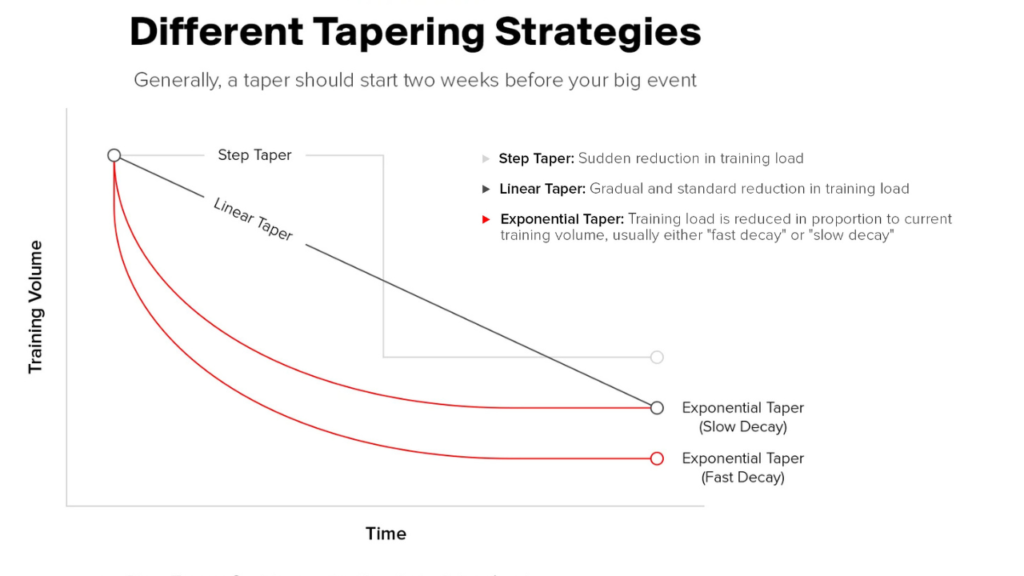
Most effective tapers run 8–14 days, with 10–14 days as the sweet spot for competitive amateurs and elite athletes. Athletes who push volume hard into their taper need a bigger cutback; those with steadier training need less. An athlete’s hardest session or last full Hyrox simulation should land at least a week out — not three days before, however tempting.ng.
| Phase | Volume | Intensity | Focus |
|---|---|---|---|
| 10–14 days out | ↓ 10–20% | Maintain | Familiar patterns, no new stimulus |
| 1 week out | ↓ 30–40% | Maintain, short | Race-pace strides, lighter loads |
| Final 2–3 days | ↓ 40–60% | Very brief | Shakeouts, mobility, activation only |
Rule of thumb: cut volume, not intensity — shorter runs with race-pace efforts, lighter loads with the same explosiveness, fewer rounds rather than fewer reps
per round.
The Injury Trap: Why Skipping the Taper Causes Shin Splints
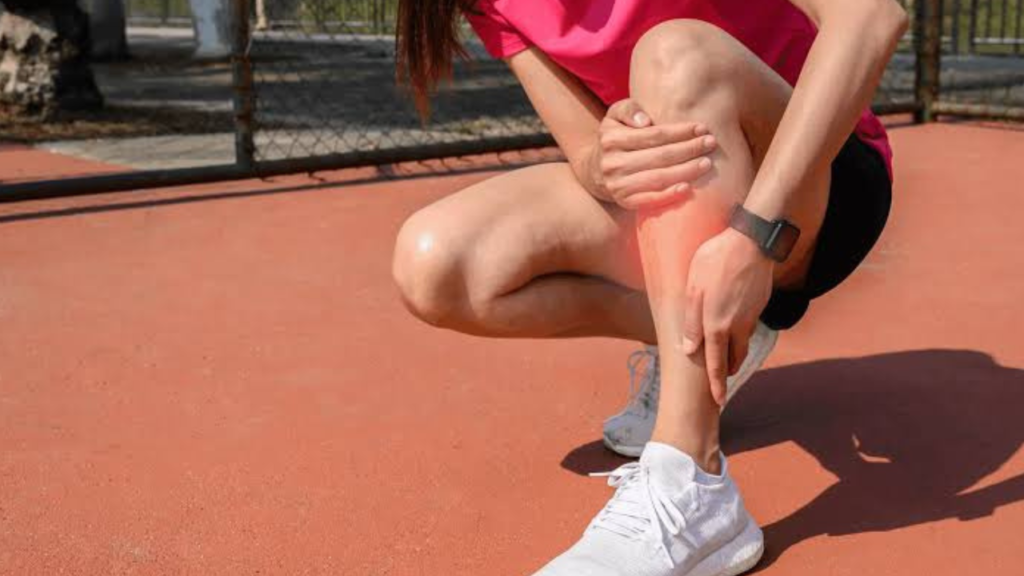
Medial tibial stress syndrome (MTSS) — shin splints — develops when repetitive loading outpaces the body’s ability to
repair. The evidence points to consistent drivers:
- Sudden overload: a sudden increase in training volume or intensity — exactly what happens when athletes cram fitness
into race month instead of tapering - Mechanics: running mechanics issues and increased foot pronation, especially as form breaks down under fatigue
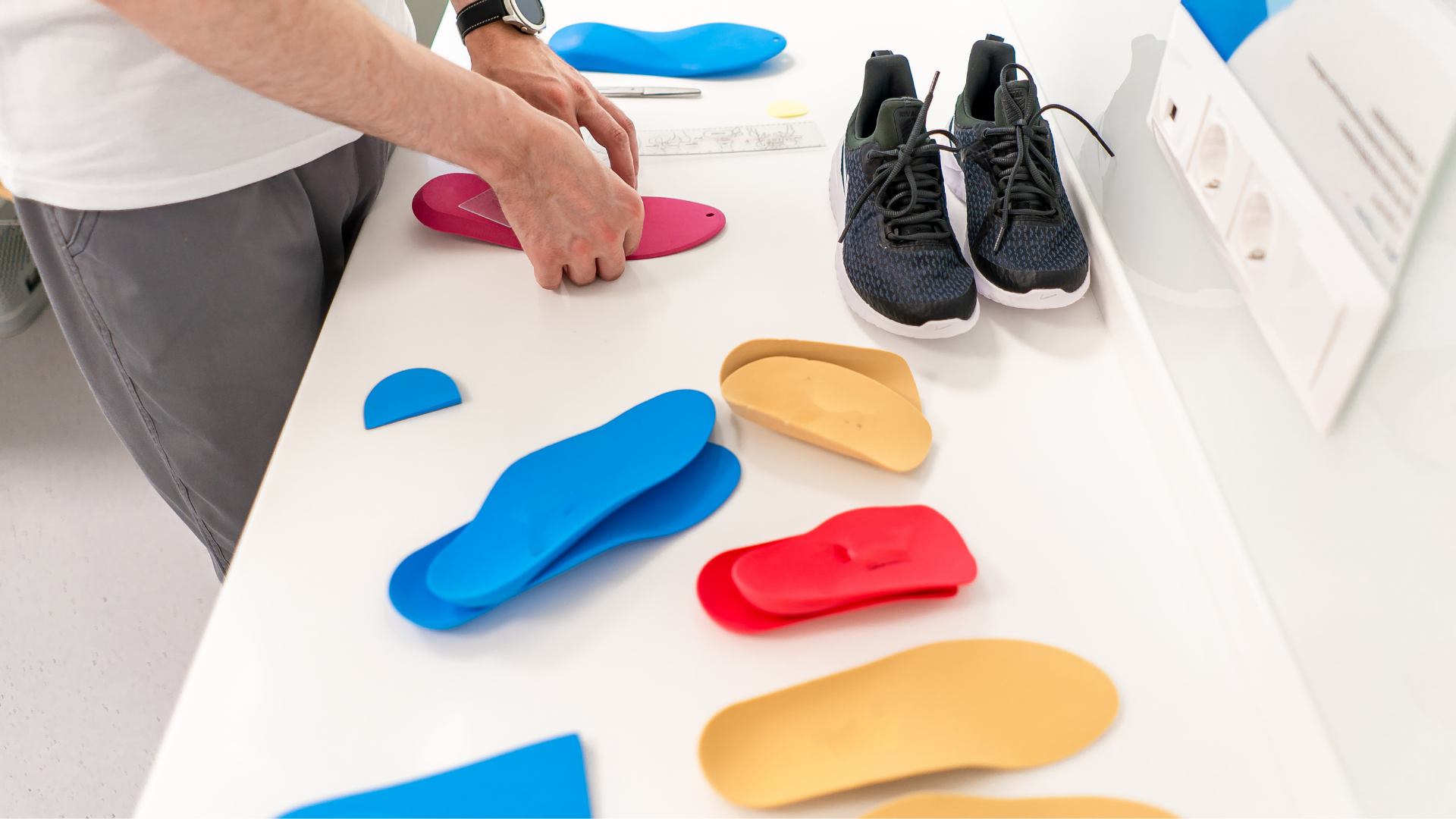
- Footwear/surface: worn-out footwear and hard or sloped running surfaces.
- Muscular imbalance: weak hip and calf stabilisers that force compensation through the shin
Shin splints are a cumulative load injury: every run and every loaded transition adds microtrauma the tibia needs a
recovery window to repair. Skip the taper and that window never opens — fatigue compounds, form degrades, and the
tibia absorbs load it isn’t ready for. A rushed final month is riskier than a rushed first month because tissue is already
carrying weeks of accumulated stress.
- Athletes should cut long runs and back-to-back high-impact sessions in the final two weeks
- Athletes should avoid debuting new shoes in race week and rotate footwear where possible
- Hip and calf strength work should stay in the program at lighter load — not be dropped entirely
- Shin tenderness should be treated as a signal to modify training, not push through
- Extra running miles should be swapped for bike, rower, or ski erg once inside the taper window
“The athletes who get shin splints in race month are almost never undertrained. They’re under
recovered.”
Recovery Strategies for Race Day
Recovery Strategies for Race Day
- Athletes shouldn’t stop dead — walking for 10 minutes brings heart rate down and avoids blood pooling
- Refuelling fast matters: ~1.0–1.2g carbs + 0.3–0.5g protein per kg bodyweight (a 75kg athlete needs roughly 75–90g carbs,
22–37g protein) - Rehydration should include electrolytes, not just water
First 24 Hours
- Active recovery beats total rest — an easy walk or bike reduces next-day soreness more than the couch
- Compression garments may support faster clearance of muscle-damage markers
- Sleep of 8–9 hours should be prioritised — it’s an athlete’s most powerful recovery tool
The Following Week
- Training should resume at moderate intensity and lower volume — not jump straight back to heavy loads
- Foam rolling and light stretching support tissue recovery
- Any sharp or localised pain near the shin should be assessed rather than assumed to settle on its own
The Bottom Line
Tapering isn’t about athletes doing less because they’re afraid of losing fitness — it’s a strategic decision that protects the
work already put in. Cutting volume, holding intensity, respecting the final month, and treating any shin discomfort as
information rather than an inconvenience gives an athlete’s body the runway it needs. Their legs carried them through
months of training; race day deserves the same care.