
Author :- Mr. Kyle Justin
For some children, sitting still, following instructions, or staying focused
for long periods can feel much harder than it looks. They may constantly
move, become distracted easily, act impulsively, or struggle to stay
engaged with a task.
For parents and teachers, this can sometimes be frustrating. But for a
child with ADHD (Attention-Deficit/Hyperactivity Disorder), these
behaviours are not simply a matter of being “naughty” or having too
much energy.
This is where exercise can play an interesting role. Physical activity is
usually thought of as something that keeps children fit and healthy. But
movement can also challenge the brain, nervous system, and body at
the same time. When exercise is structured appropriately, it may support
areas such as attention, executive function, mood, self-regulation, and
motor development.
Exercise Is More Than Just "Tiring Them Out"
A common approach when dealing with a highly active child is to simply
give them more exercise so that they become tired.But youth exercise
should not be about exhausting a child. The goal is to give them
purposeful movement that keeps them engaged while developing
physical and cognitive skills. For a child with ADHD, this can mean
activities that require them to listen, react, make decisions, remember
instructions, and control their movements.
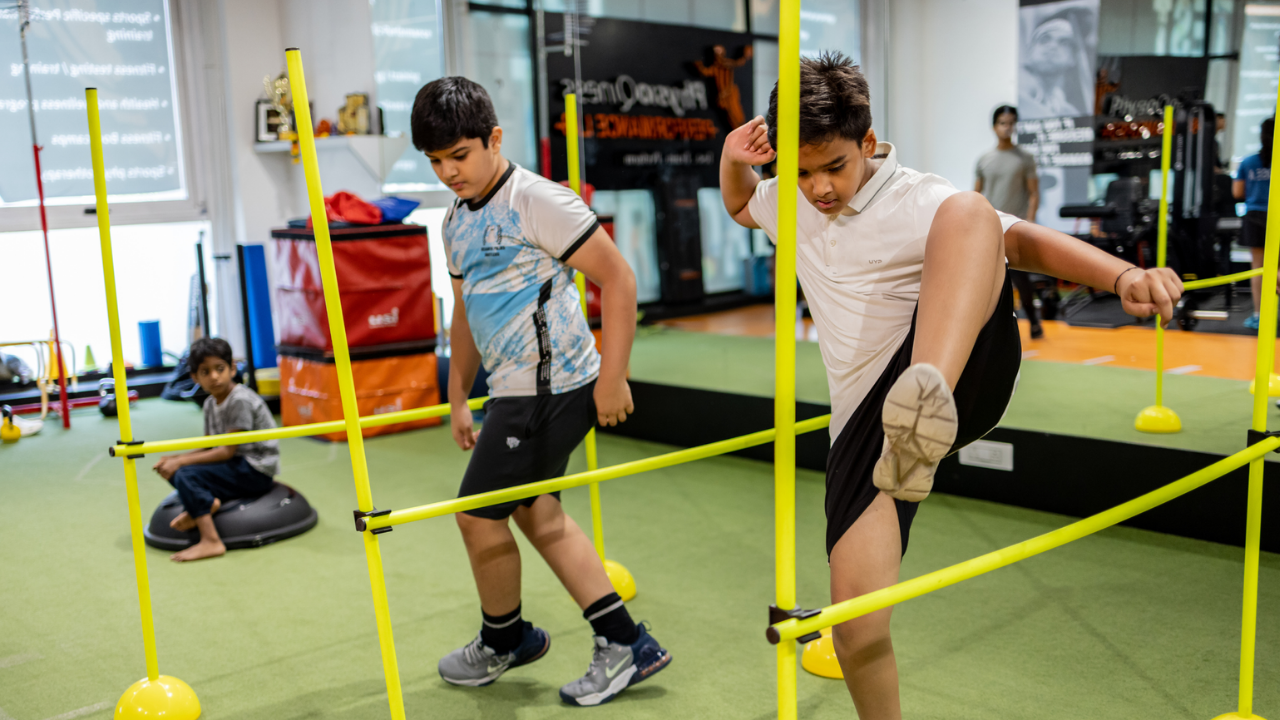
A simple agility drill can become much more than running between
cones when a coach adds colours, numbers, commands, or changes of
direction. Now the child isn’t just moving; they’re processing information,
making decisions, and responding to their environment.
Movement Can Challenge the Body and Brain Together
Children naturally learn through movement. Running, jumping, throwing,
catching, balancing, and changing direction all require coordination
between the brain and body. For children with ADHD, activities that
combine physical movement with cognitive challenges can be
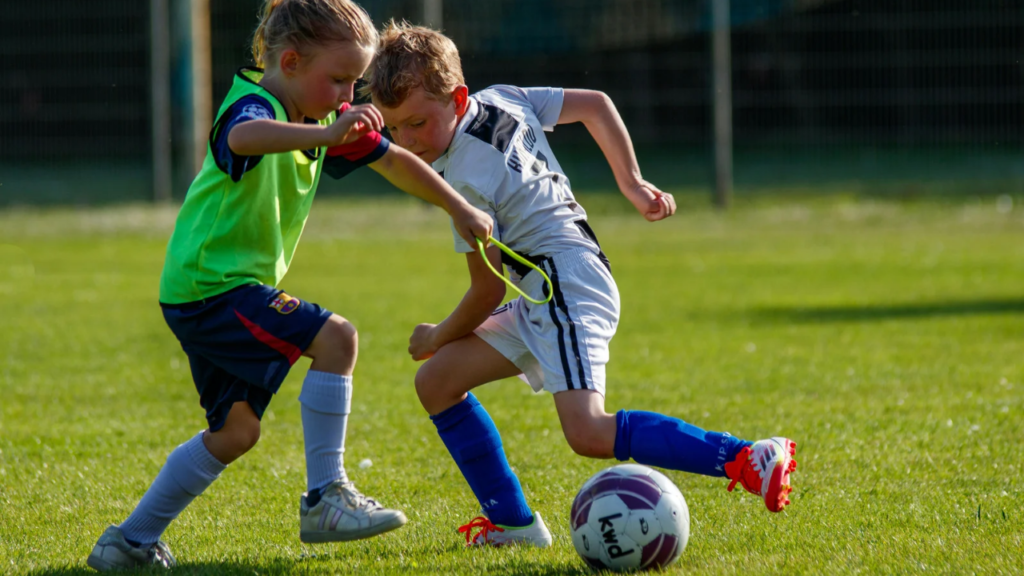
particularly useful within a broader support plan. Reaction games,
obstacle courses, balance activities, ball games, and small-sided sports
can require children to continuously pay attention and respond to
changing situations.
For example, instead of simply asking a child to sprint from one cone to
another, a coach could give them a different movement based on a
visual or verbal cue. The child has to listen, process the information, and
then react.The exercise becomes a physical and mental challenge at the
same time.
Developing Motor Skills and Confidence
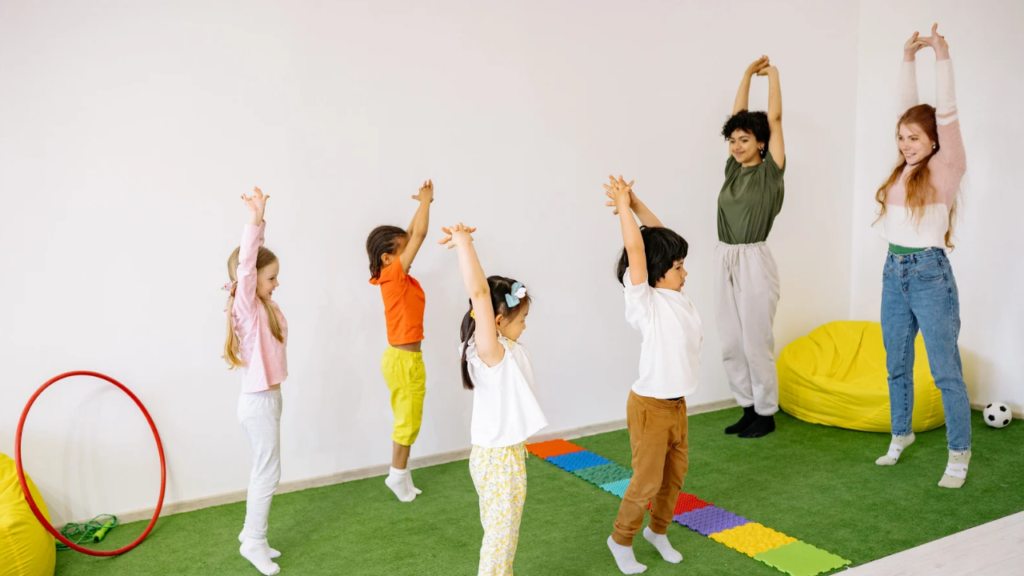
ADHD isn’t only about attention or hyperactivity. Some children may also
struggle with coordination, balance, motor planning, or developing
fundamental movement skills.This is why youth training should not jump
straight into sport-specific performance. Running, jumping, landing,
balancing, throwing, catching, and changing direction provide the
foundation for more advanced sporting skills. Developing these abilities
can help children become more comfortable and confident in their
bodies.And confidence matters. A child who constantly feels like they are
“bad at sports” may gradually avoid physical activity. Creating an
environment where they can experience small successes can help make
exercise something they want to participate in rather than something
they are forced to do.
Structure Matters
Children with ADHD may benefit from exercise sessions that are
predictable but not boring.
Long explanations and repetitive drills can quickly lose their attention.
Instead, sessions can use short activities, clear instructions, frequent
changes, and games that provide immediate feedback.
This doesn’t mean every session needs to be chaotic or constantly
changing. Good coaching is about finding the balance between structure
and stimulation.The child should know what is expected of them while
still having enough variety to remain engaged.
Exercise Is Not a Replacement for ADHD Treatment
It is important to be careful about how we talk about exercise and ADHD.
Exercise should not be presented as a cure for ADHD or as a
replacement for professional medical, psychological, educational, or
behavioural support. ADHD is a complex neurodevelopmental condition,
and each child will have different needs.
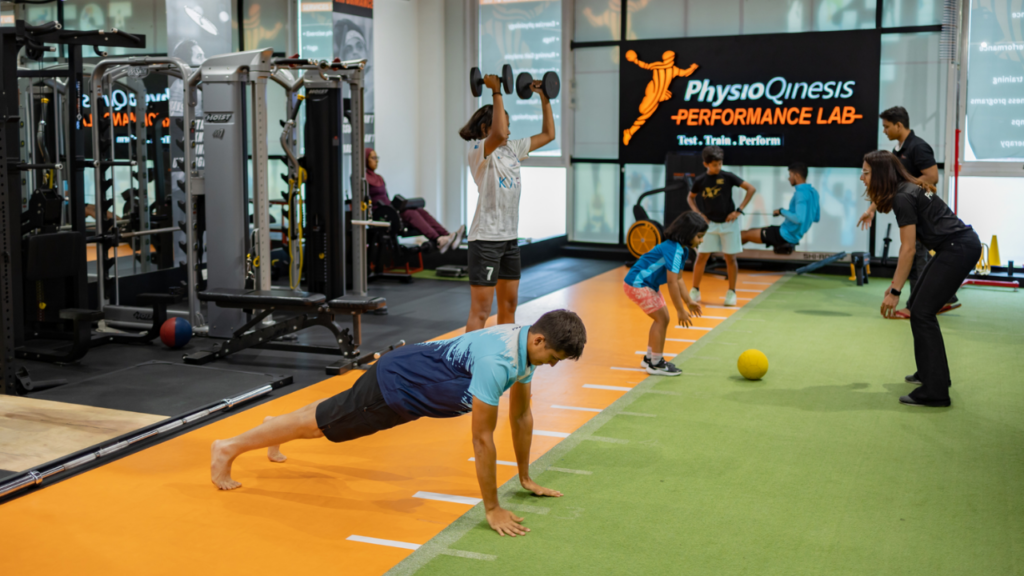
Instead, physical activity can be viewed as one part of a larger support
system. The role of a youth fitness coach is to create an environment
where the child can move safely, develop physical literacy, build
confidence, and enjoy being active while working alongside parents and
relevant healthcare or educational professionals when appropriate.
What Should Youth Coaches Focus On?
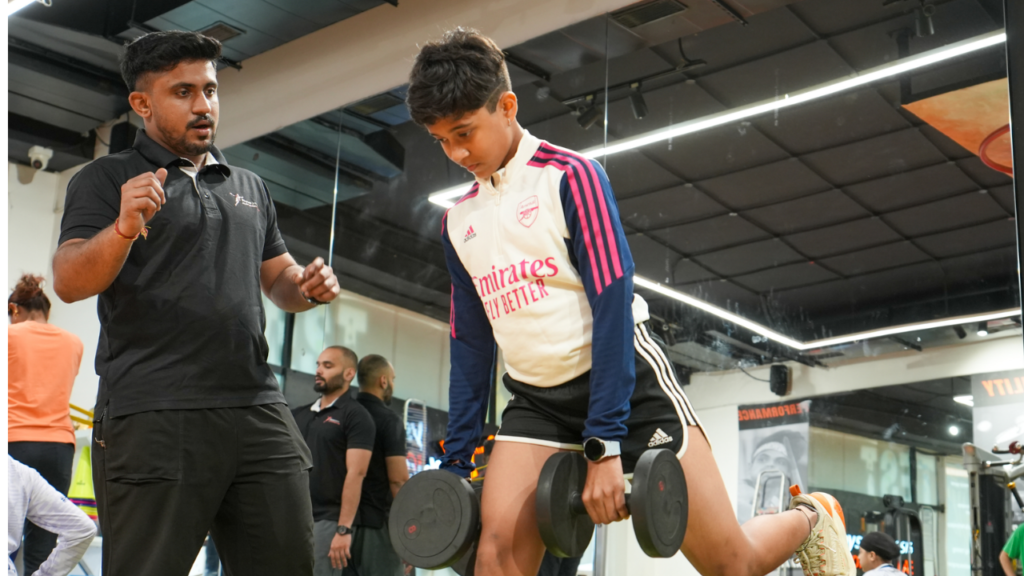
The objective isn’t to make a child with ADHD behave like every other
child in the room.It is to understand how that child learns and create
opportunities for them to succeed.Short and engaging activities, clear
instructions, reaction games, coordination drills, fundamental movement
skills, age-appropriate strength training, and opportunities for choice can
all make sessions more engaging.Most importantly, coaches should
celebrate effort, improvement, and successful movement, rather than
constantly focusing on mistakes or lack of attention.
The Bottom Line
For a child with ADHD, exercise isn’t simply about burning off excess
energy.
The right kind of physical activity can create opportunities to move, think,
react, coordinate, learn, and build confidence all while developing the
physical skills they need for an active life.
The question shouldn’t be:
“How do we make this child sit still?”
Instead, perhaps we should ask:
“How can we use movement to help this child learn, participate, and
thrive?”
Because sometimes, the best way to help a child engage isn’t to ask
them to stop moving.
It’s to teach them how to move with purpose.
