
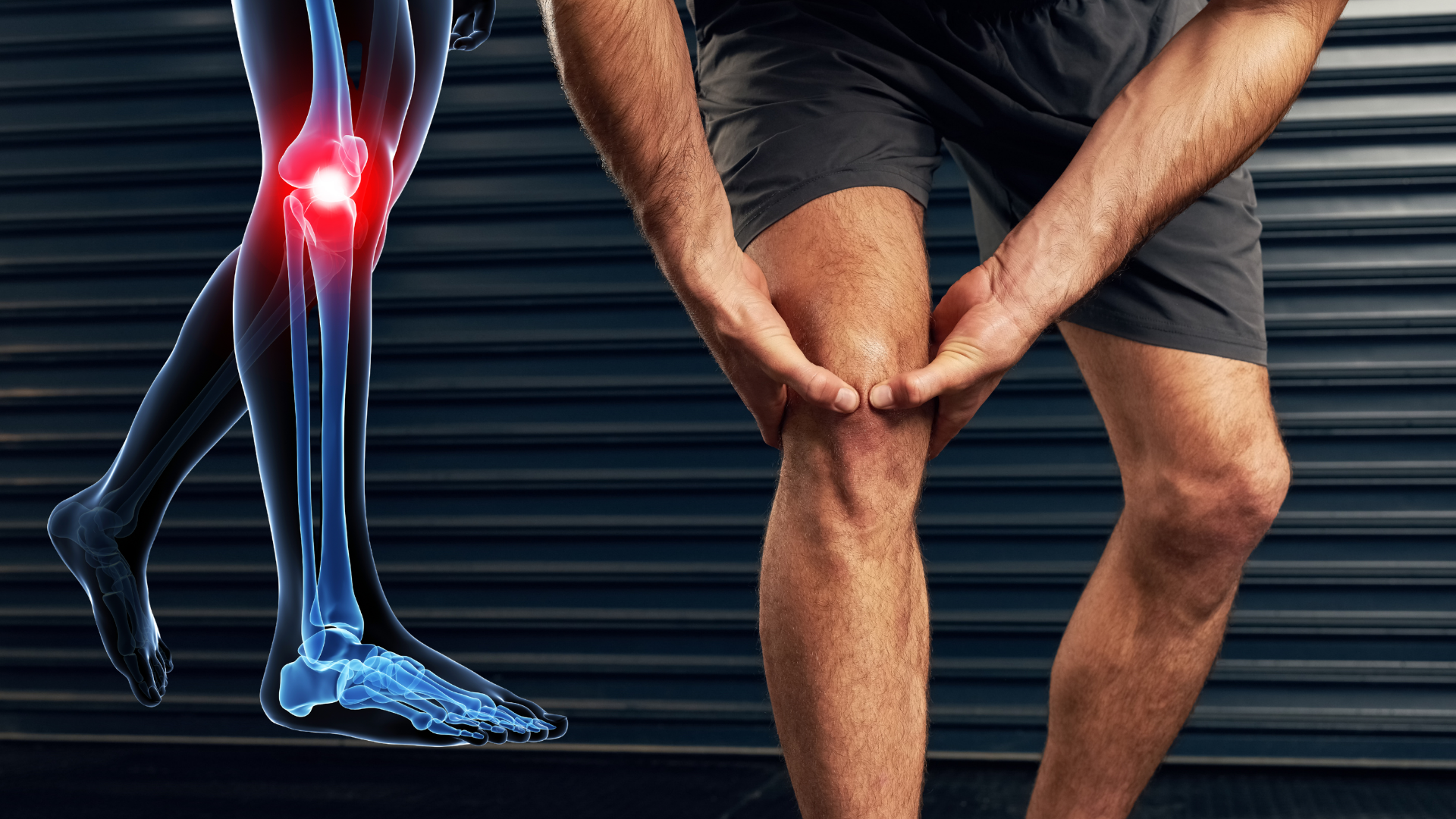
The Biggest ACL Myths Patients Still Believe
Author - Dr. Ankita Hegde
Few things patients get wrong — and what the evidence actually says.
ACL injuries generate more misinformation than almost any other sports injury. Patients arrive with fixed ideas that slow down their recovery. Here’s what I find myself correcting, week after week.
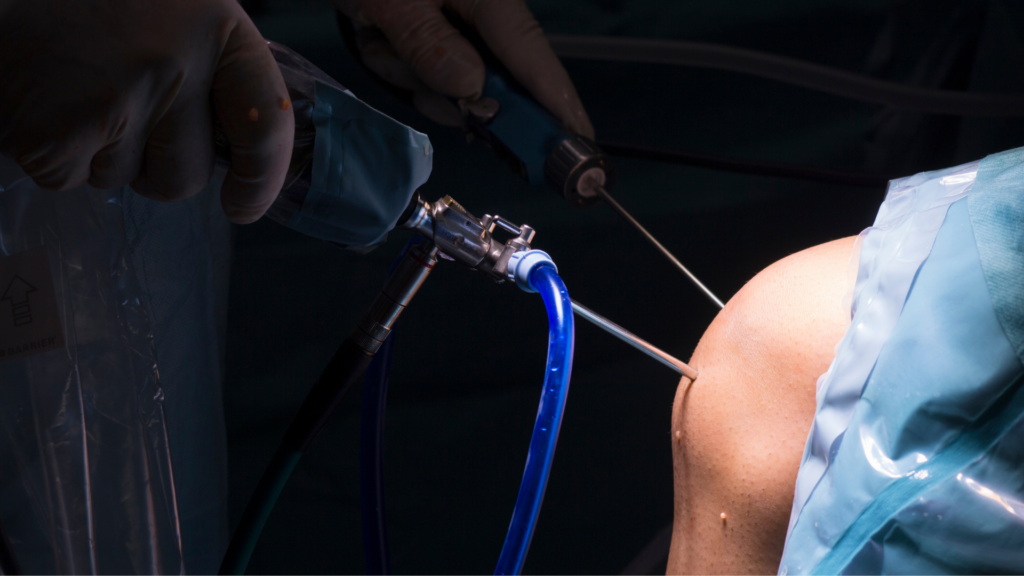
MYTH 1 | ||
“You always need surgery to get back to sport.” | ||
THE REALITY | ||
Surgery is not mandatory for everyone. A significant subset of ACL-injured people — often called “copers” — can return to high-level sport through rehab alone, with excellent outcomes and without reconstruction. The decision depends on your activity level, knee stability, associated injuries, and personal goals. A well-designed conservative rehab trial is a legitimate first step for many people, not a consolation prize. | ||
FROM THE CLINIC I’ve had patients return to football and martial arts without reconstruction. Surgery is often the right call — but it should be a shared decision, not an assumption. | ||
|
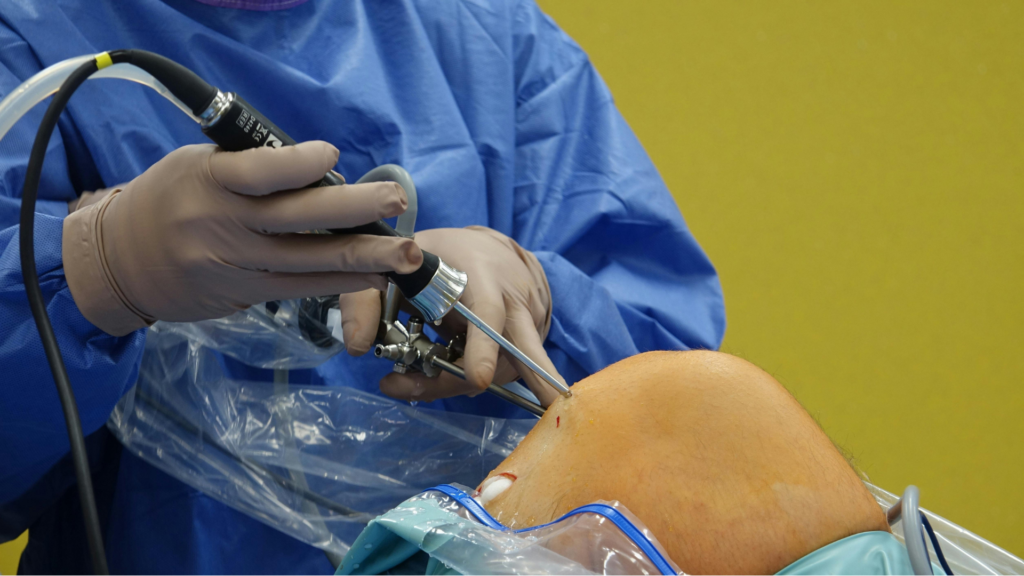
MYTH 2 | ||
“Once I’m 9 months post-op, my knee is as good as new.” | ||
THE REALITY | ||
The 9–12 month mark is when you’re typically functionally ready to return to sport — not when the graft is finished. The biological process of turning a transplanted tendon into something resembling a ligament takes 18 to 24 months, sometimes longer. Passing a functional test battery means you’re strong enough to return. It does not mean the biology is done. | ||
FROM THE CLINIC I use the analogy of a building that looks finished from the outside but still has wet concrete inside. The scaffolding is gone — but you still need to be careful. | ||
|
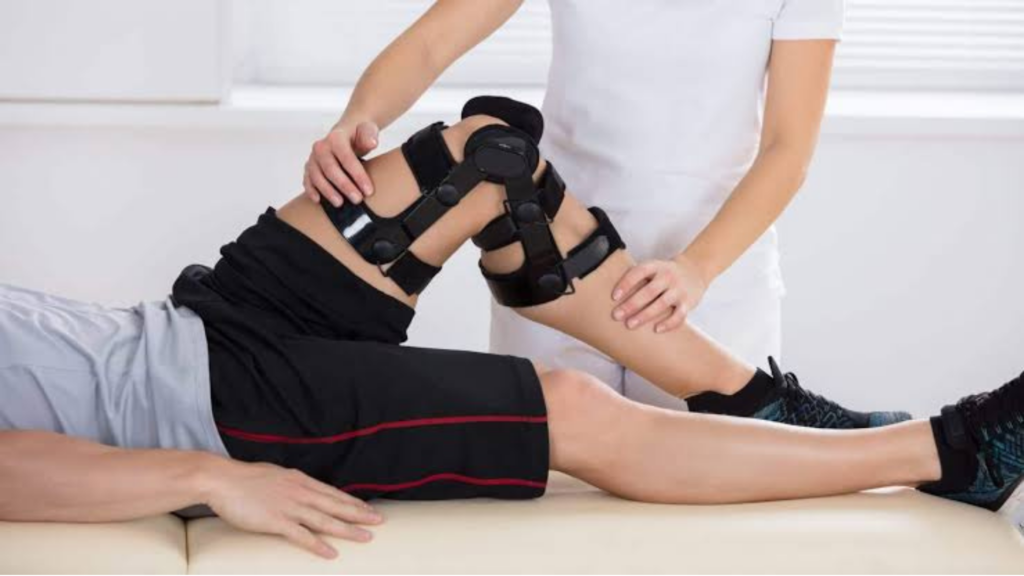
MYTH 3 | ||
“Nerves and fear are just mental — they don’t affect outcomes.” | ||
THE REALITY | ||
Psychological readiness is one of the strongest predictors of whether athletes actually return to sport — stronger, in some studies, than physical testing alone. Fear of reinjury and anxiety about performance are not side effects of an ACL tear. They’re core features. Athletes who score low on psychological readiness scales fail to return to their previous level at significantly higher rates, even when physically cleared. Treating the knee without treating the fear is like repairing half the injury. | ||
FROM THE CLINIC I use the ACL-RSI scale with every patient at return to sport. If the scores tell me someone isn’t ready mentally, we work on that before I sign off. | ||
|
MYTH 4 | ||
“Once I’m discharged from physio, I’m done.” | ||
THE REALITY | ||
Discharge means you’ve met the benchmarks for safe return to activity — not that your knee no longer needs maintenance. The neuromuscular work, landing mechanics, and strength training that got you there should continue indefinitely. Long-term data shows 50–70% of ACL-injured knees develop early-onset osteoarthritis within 10–15 years. That trajectory isn’t inevitable, but fighting it requires ongoing work. | ||
FROM THE CLINIC Clearance to play is not clearance to stop. The work that got you here should become part of your training forever — not a chapter that ended. | ||
|