
Author :- Dr. Siddhi Dalvi
Imagine this.
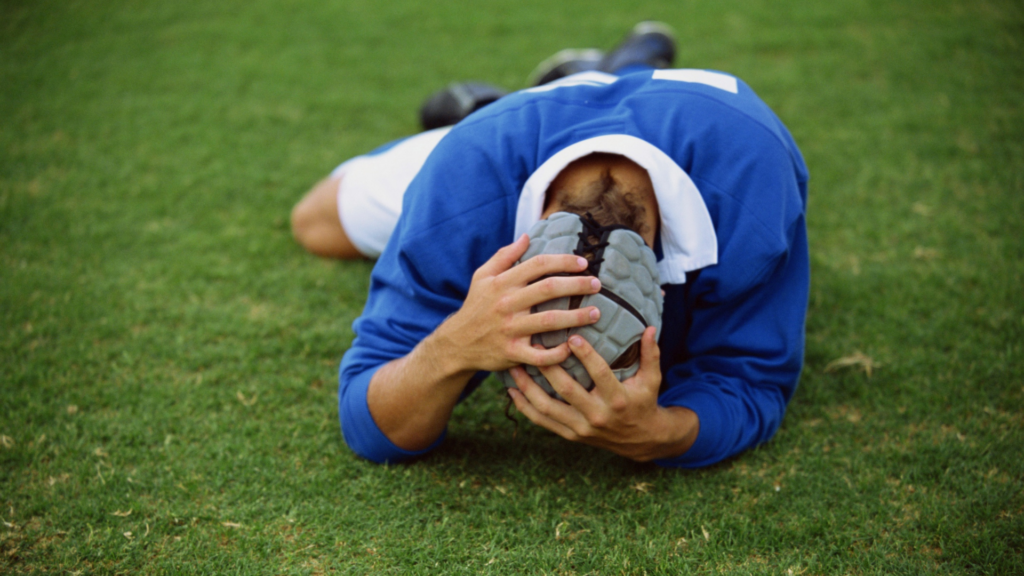
You’re playing football with your friends. In the final few minutes, two players jump for the ball
and accidentally crash into each other. One of them falls, gets up a few seconds later, smiles and
says,
“I’m okay… just a little dizzy.”
Everyone breathes a sigh of relief. The game continues.
But here’s the real question…
Is that person actually okay?
Many people think that unless someone faints or starts bleeding after a hit to the head, there’s
nothing to worry about. But that’s one of the biggest myths about concussions.
So, What Is a Concussion?
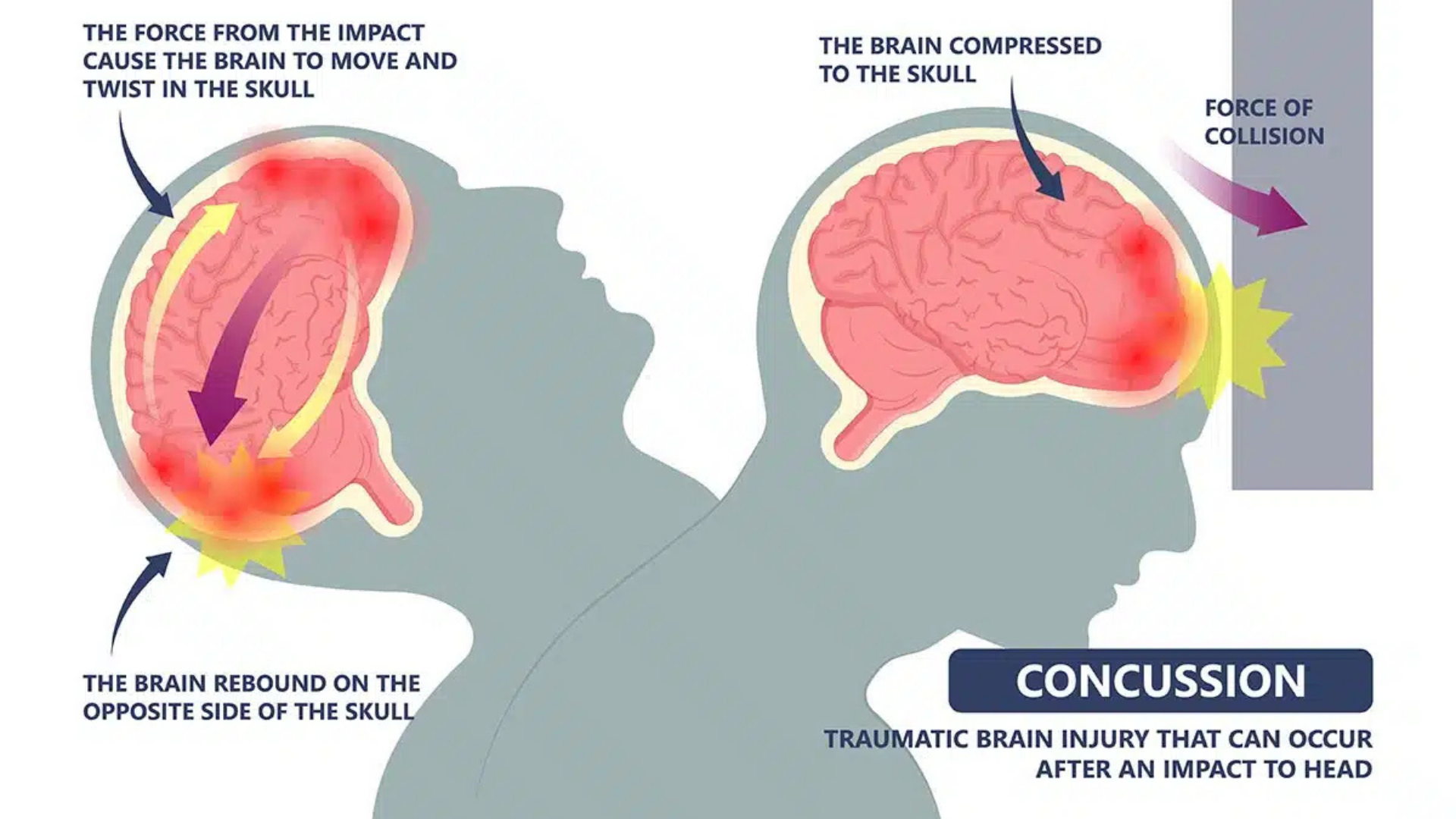
A concussion is a type of mild brain injury caused by a sudden hit or strong jolt to the head or
even the body.
You don’t have to hit your head directly. A hard fall, a collision during sports, or even a forceful
tackle can make your brain move inside your skull.
Think of your brain like jelly sitting inside a bowl. If you shake the bowl suddenly, the jelly moves
around and bumps into the sides. That’s very similar to what happens inside your head during a
concussion.
The injury may not be visible from the outside, but your brain still needs time to recover.
But My CT Scan Was Normal...
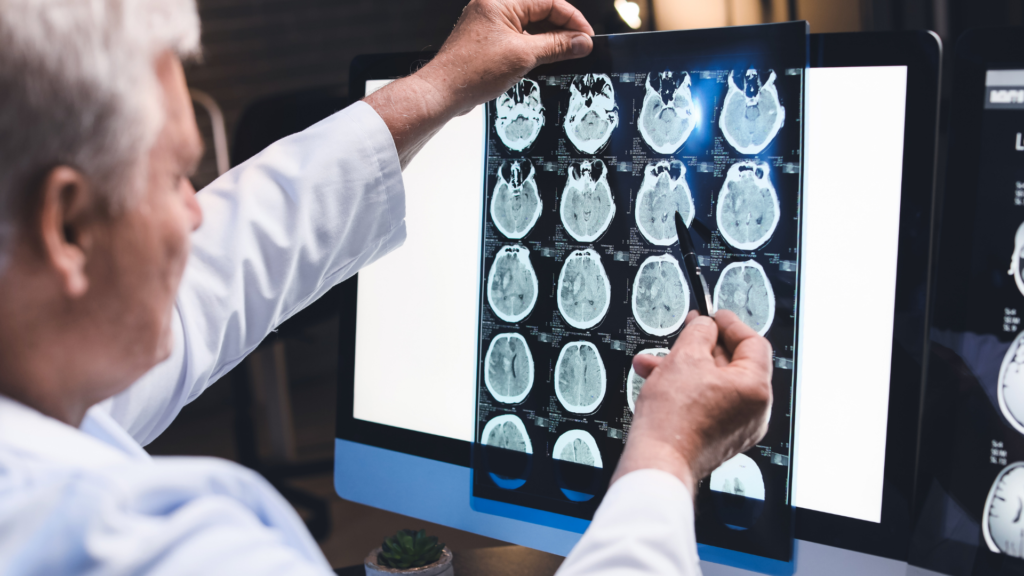
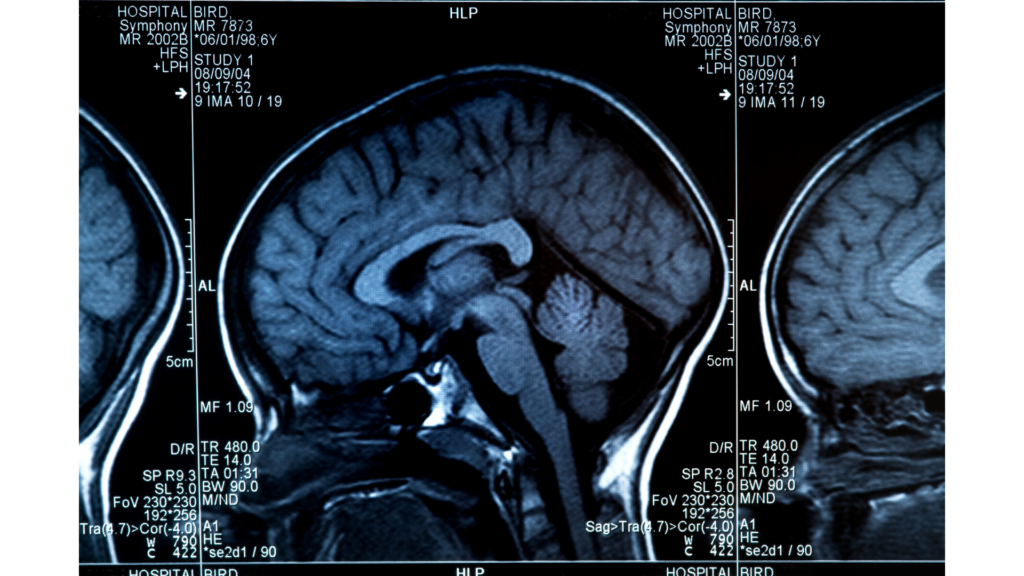
Many people believe that if a CT scan or MRI looks normal, then everything must be fine.
Not always.
A concussion usually doesn’t leave visible damage on these scans. Instead, it affects how the
brain works for a while.
Imagine your smartphone. The screen isn’t cracked. Nothing looks broken. But suddenly, every
app starts freezing and the phone becomes slow.
The phone looks perfectly normal, yet something isn’t working properly.
That’s exactly how a concussion behaves. Your brain may look normal on a scan, but it isn’t
functioning at its best. This can affect your memory, concentration, balance, reaction time, and
even simple everyday activities.
What Happens Inside the Brain?
After a concussion, your brain starts repairing itself.
The problem is that while it needs more energy to recover, the blood flow supplying that energy
actually drops for a short time.
It’s like trying to charge your phone while someone keeps unplugging the charger every few
seconds.
Eventually, the battery struggles.
This temporary lack of energy is one of the main reasons people need proper rest after a
concussion.
Why Do People Ignore It?
Because many people don’t think it’s serious.
Some don’t want to stop playing. Some don’t want to disappoint their teammates. Others simply
believe, “It’s just a headache. It’ll go away.”
Unfortunately, many concussions are never reported. People continue playing, working, or
exercising before their brain has fully recovered, which can delay healing and increase the risk of
another injury.
What Does a Concussion Feel Like?
Everyone experiences it differently.
Some people feel dizzy. Others say they feel “foggy” or “not quite themselves.”
Common symptoms include:
• Headache
• Dizziness
• Poor balance
• Nausea or vomiting
• Sensitivity to bright lights
• Sensitivity to loud sounds
• Difficulty concentrating
• Feeling unusually tired
• Forgetting simple things
• Slower reaction time
If you notice any of these symptoms after a hit to the head or body, don’t ignore them. Your
body is trying to tell you something.
Why Going Back Too Soon Can Be Risky
One of the biggest mistakes people make is thinking, “I feel fine now, so I must be recovered.”
Feeling better doesn’t always mean your brain has fully healed.
Returning to sports, the gym, or other activities too early can increase the chances of another
concussion and may even make recovery take much longer.
That’s why it’s important to recover gradually and follow medical advice before returning to
normal activities.

The Bottom Line
Your brain controls everything you do. It helps you think, move, remember, learn, and enjoy life.
You can replace a football. You can replace a helmet. You can replace sports shoes. But you only
get one brain.
If you or someone around you takes a significant hit during sports or any other activity and
starts feeling “not quite right,” don’t ignore it.
Take it seriously. Get checked by a healthcare professional.
Missing one game or taking a few days to recover is far better than dealing with long-term
problems that could have been prevented.
Sometimes, the strongest decision isn’t to keep going. It’s knowing when to stop and let your
brain heal.