
Author :- Archit Vikharankar
In today’s digital age, a large portion of the workforce spends hours sitting at desks, working on computers. While IT and desk jobs are intellectually stimulating, they often come with a silent cost, the long-term health of our muscles and joints. Two areas particularly affected are the hips and hamstrings—critical to our posture and movement. Here’s why hip mobility and hamstring flexibility are so important for IT desk job workers.
The Hidden Risks of Prolonged Sitting
1. Hip Flexor Tightness:
2. Hamstring Shortening:
3. How Does This Impact Desk Workers?
4. Postural Changes:
5. Movement Limitations:
Regular stretching and movement can:
· Counteract muscle shortening and stiffness from sitting for long hours.
· Enhance core stability, posture, and overall movement patterns. Reduce pain and risk of work-related injuries.
· Improve blood flow, joint health, and ease of movement in everyday tasks.
Simple Strategies for Desk Workers:
· Take regular movement breaks (every 30–60min) to stand, stretch, or walk.
· Incorporate hip flexor, gluteal, and hamstring stretches into your daily routine—even simple desk-based stretches make a difference.
· Use ergonomic work setups to maintain better posture.
Here is a list of office-friendly exercises for hip mobility and hamstring flexibility.
1. Seated figure of four stretch

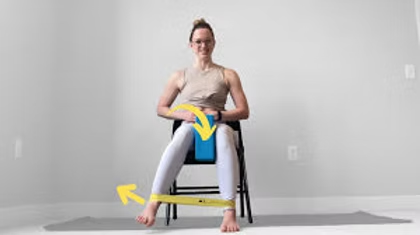
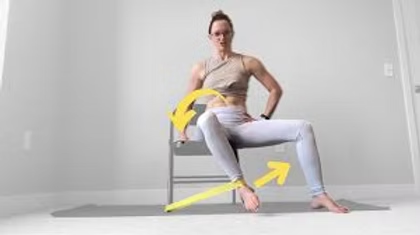
2. Seated hip rotations:
3. Hip Circles (Standing)
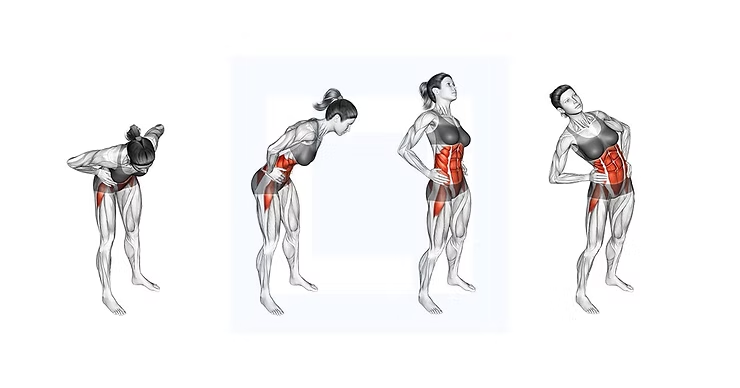
4. Standing Hip flexor stretch:
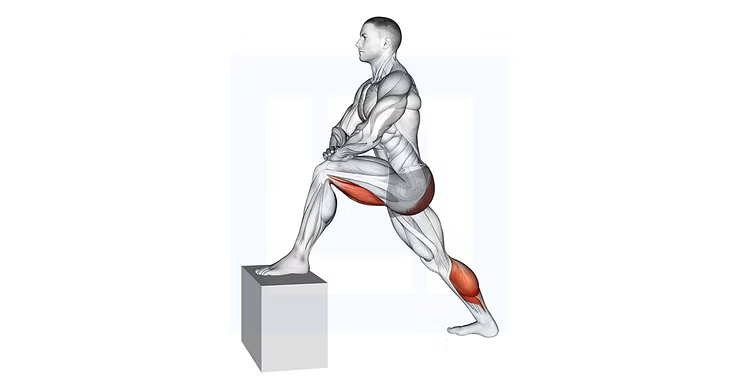
5. Chair Squat:
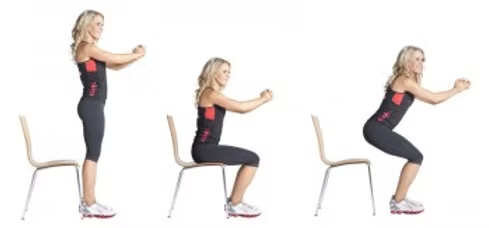
· Hamstring Flexibility:
1 Seated Hamstring Stretch:
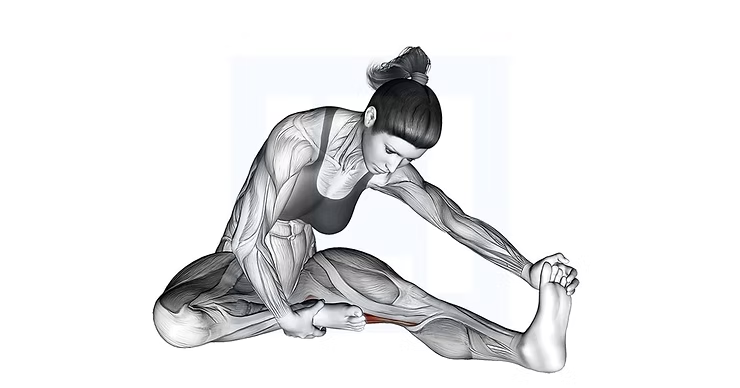
2 Dynamic Standing toe touches:
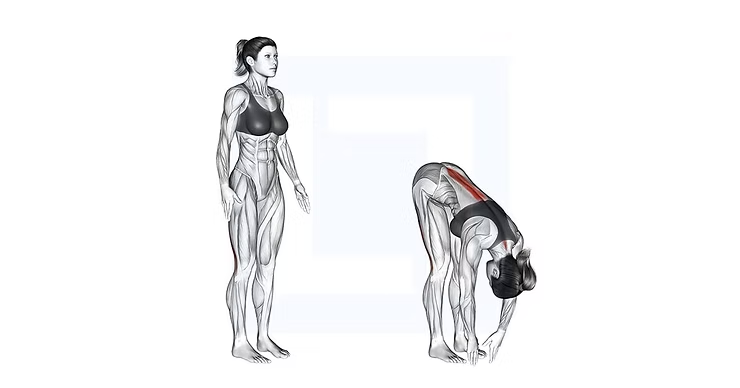
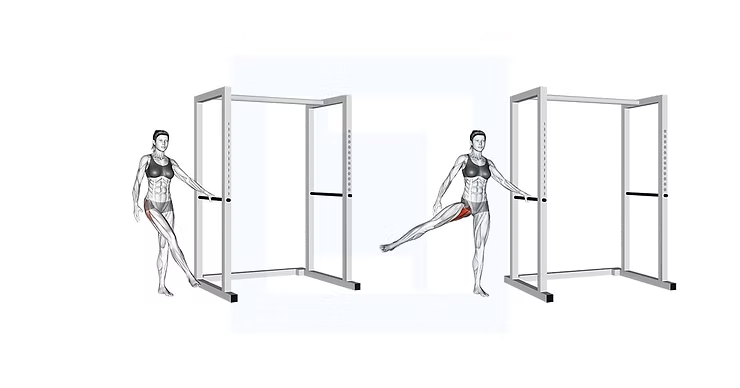
3. Leg Swings: