Author :- Dr. Surucha Shanbhag
Why understanding pain may be the first step toward recovering from it.
Does pain always mean something is damaged?
If you’ve ever had pain, chances are you’ve asked yourself one question:
It’s a completely natural thought. Most of us grow up believing that pain is a warning sign of injury. More pain must mean more damage… right?
Not always.
Think about it.
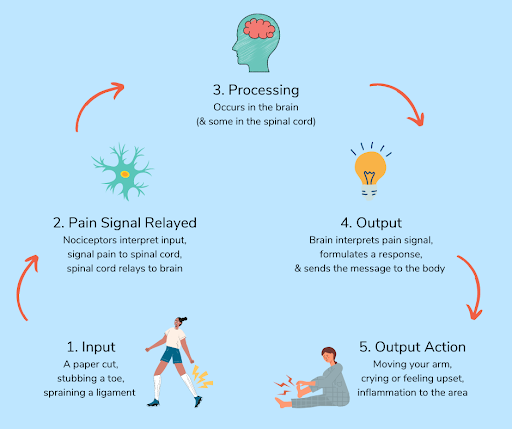
Have you ever had a tiny paper cut that hurt far more than expected? Or seen an athlete finish an entire football match, only to find out later they had fractured a bone or torn a ligament? Clearly,
pain and damage don’t always go hand in hand. So what’s really going on?
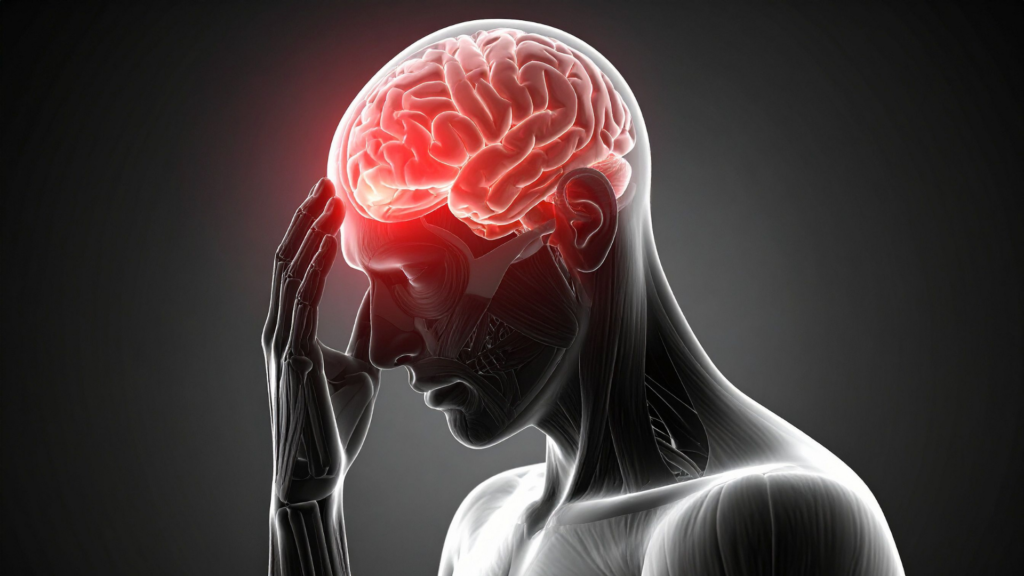
Pain isn't just about your tissues.
Modern pain science has completely changed how we understand pain. Your muscles, ligaments, joints and discs don’t actually “create” pain. They simply send information to your nervous system.
Your brain then asks a much bigger question: “Do I need to protect this person right now?”
Think of pain like a smoke alarm.
Imagine the smoke alarm in your kitchen.
When there’s a real fire, you want it to go off.
That’s exactly what pain does after you’ve sprained your ankle or touched a hot pan. It tells you
to stop, protect yourself and give your body a chance to heal.
But we’ve all had those moments when the alarm starts blaring just because someone burnt the
toast.
The house isn’t on fire.
The alarm is simply being extra cautious.
Pain can behave the same way.
Sometimes your nervous system becomes so good at protecting you that it starts reacting to
things that are no longer dangerous.
The pain is still real.
The protection is just more than you actually need.
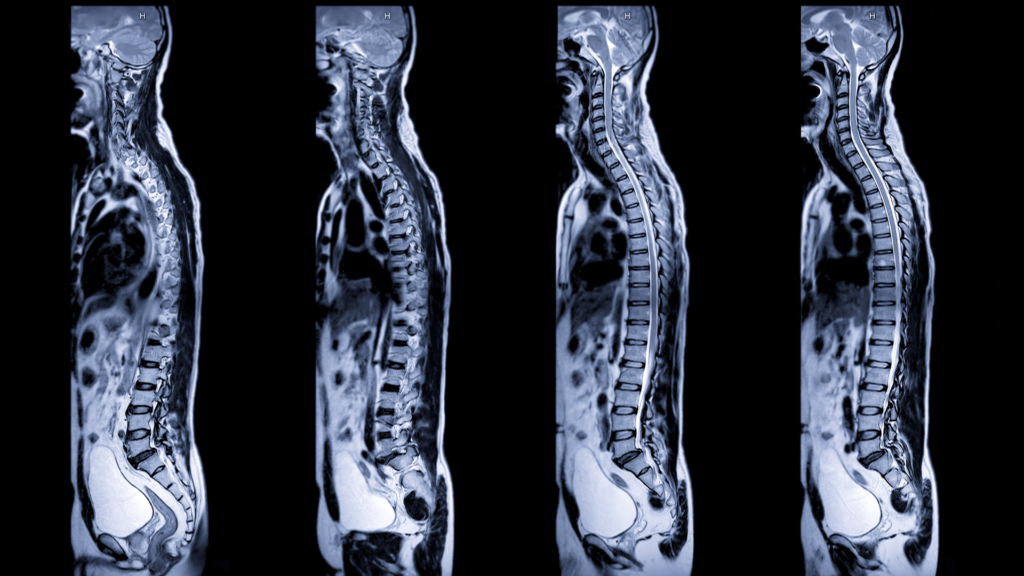
So why doesn't my MRI match my pain?
This is one of the questions I hear most often in the clinic.
“My MRI shows a disc bulge, but my friend has the same report and doesn’t have any pain.”
Or…
“My scan looks normal, so why does it hurt so much?”
The answer is surprisingly simple.
Scans tell us what’s happening structurally.
Pain tells us how protective your nervous system has decided to be.
That’s why two people with similar scans can have completely different experiences.
One person might have very little pain.
Another might struggle with everyday activities.
The scan isn’t wrong.
The pain isn’t imaginary either.
They’re simply measuring two different things.
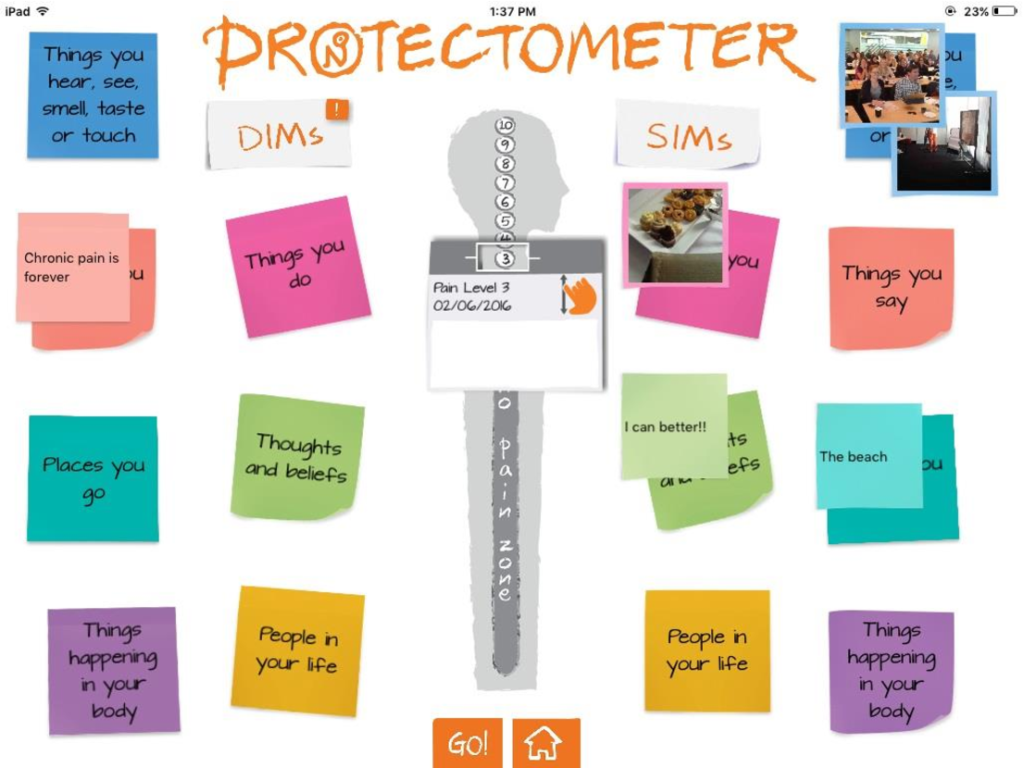
Meet the Protectometer
So if pain is your body’s alarm system…
What decides how loud that alarm becomes?
This is where one of my favourite ideas from Explain Pain comes in—the Protectometer.
Imagine your nervous system carrying around a weighing scale all day long.
On one side are things that make your body feel threatened.
On the other are things that make your body feel safe.
Every single day, your brain is adding little weights to both sides.
Whichever side becomes heavier influences how protective your nervous system decides to be.
Things that turn the alarm up (DIMs)
David Butler calls these DIMs or Dangers In Me.
They’re not necessarily dangerous by themselves.
They’re simply things your nervous system interprets as reasons to be more cautious.
Some examples are:
● Poor sleep
● Stress and anxiety
● Fear of movement
● Previous painful experiences
● Believing that your back or knee is permanently damaged
● Illness, fatigue or doing too much too soon
Each one quietly tells your nervous system,
“Maybe we should be a little more careful today.”
The more DIMs you have, the easier it is for the alarm to sound.
Things that calm the alarm down (SIMs)
On the other side are SIMs or Safeties In Me.
These are all the things that reassure your nervous system that you’re okay.
Things like:
● Understanding what pain actually means
● Moving a little more every week
● Getting stronger
● Sleeping well
● Feeling supported by family or your healthcare team
● Having positive rehabilitation experiences
● Regaining confidence in your body
Every SIM quietly tells your nervous system,
“You’re safe. We don’t need so much protection anymore.”
That’s why good rehabilitation isn’t just about stronger muscles or better flexibility.
It’s also about helping your nervous system feel safe again.
From the clinic
I once worked with a patient recovering from an ACL reconstruction who dreaded climbing
stairs.
Every time they felt the slightest discomfort, they were convinced something had gone wrong.
The knee was healing well.
Their strength was improving.
But their confidence hadn’t caught up yet.
So instead of only focusing on exercises, we also focused on understanding pain, celebrating
small wins, and gradually exposing them to movements they were avoiding.
Week by week, the stairs became less frightening.
The discomfort became less threatening.
Nothing magical happened to the knee.
The nervous system simply realised it didn’t need to stay on high alert anymore.

So what's the takeaway?
Pain is one of the smartest protection systems your body has.
But like any alarm system, it isn’t perfect.
Sometimes it gets the timing exactly right.
Sometimes it becomes a little overprotective.
Understanding that difference can completely change how you approach recovery.
The goal isn’t to ignore pain.
And it certainly isn’t to push through it blindly.
The goal is to understand why your body is protecting you, gradually reduce unnecessary
threats, build confidence through movement, and teach your nervous system that it’s safe again.
Because recovery isn’t just about healing tissues.
It’s about helping your body—and your nervous system—trust movement again.