
Shopping cart

breadcumb-thumb

Individualised Load & Readiness Monitoring

Author :-Mr. Punit Mundhe
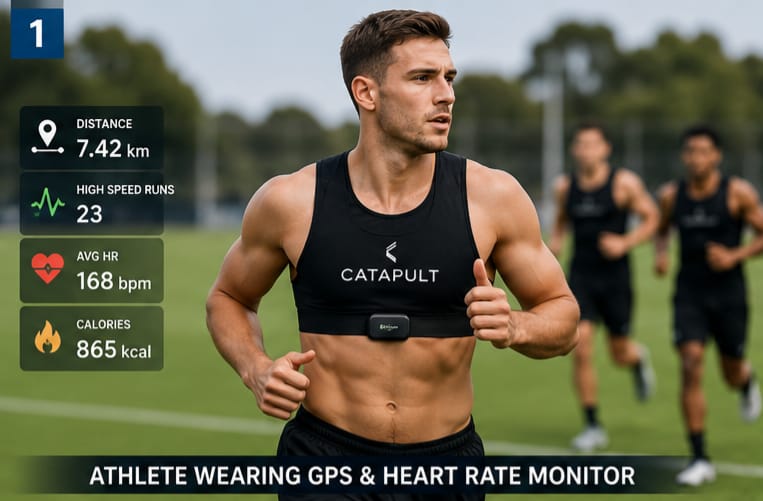
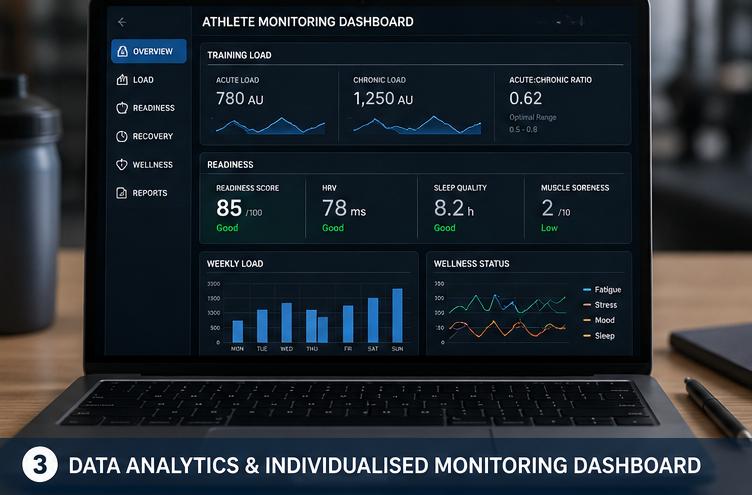
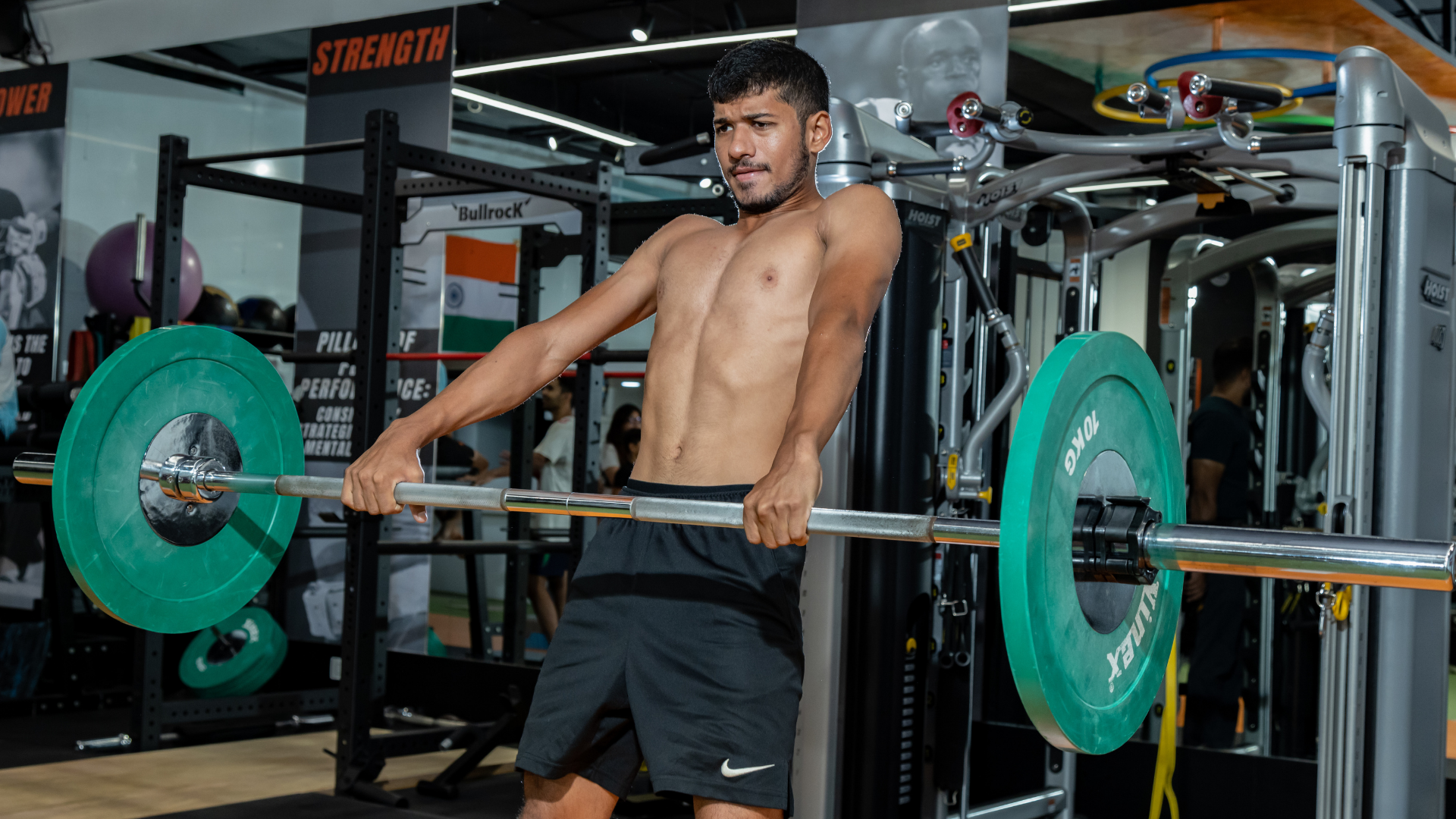
Training load is operationally divided into external and internal load components (Gabbett & Ullah, 2012). External load quantifies the actual physical work performed, including distance covered, weights lifted, sprint frequency, and movement patterns. Internal load represents the athlete’s physiological and psychological response to that work, encompassing heart rate, blood lactate, rating of perceived exertion (RPE), and fatigue levels. Understanding both dimensions is critical because two athletes performing identical tasks may experience vastly different levels of physiological stress and subsequent adaptation.

Current Evidence & Practical Applications

Contemporary research provides robust evidence supporting individualised monitoring paradigms. Large inter-individual variability in training responses means that group-based averages can be misleading and potentially detrimental to performance optimisation (Foster et al., 2017). Personalised data enable more precise programme adjustments, enhancing performance whilst simultaneously reducing injury risk.

Neuromuscular Readiness

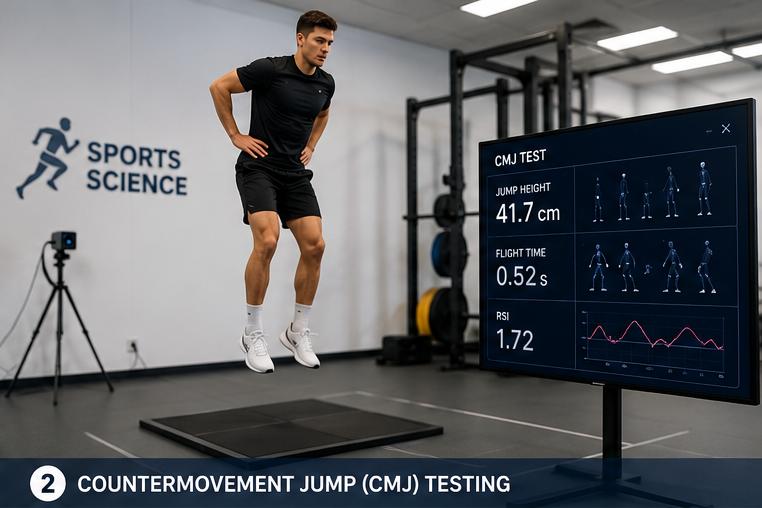
Countermovement jump (CMJ) tests assess explosive power and neuromuscular fatigue. Decreased jump height indicates accumulated fatigue requiring recovery.

Autonomic Function

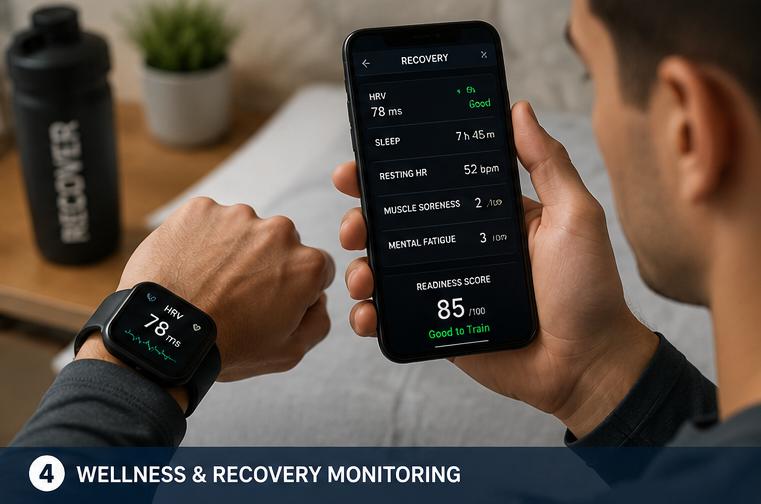
Heart rate variability (HRV) reflects autonomic nervous system balance. Reduced HRV suggests incomplete recovery and increased stress burden.

Subjective Wellness

Daily questionnaires capture sleep quality, muscle soreness, and mental fatigue. These subjective measures correlate strongly with objective performance markers.

Objective Monitoring Tools

  • GPS tracking systems for external load quantification
  • Heart rate monitors for internal load assessment
  • Wearable accelerometers and inertial sensors
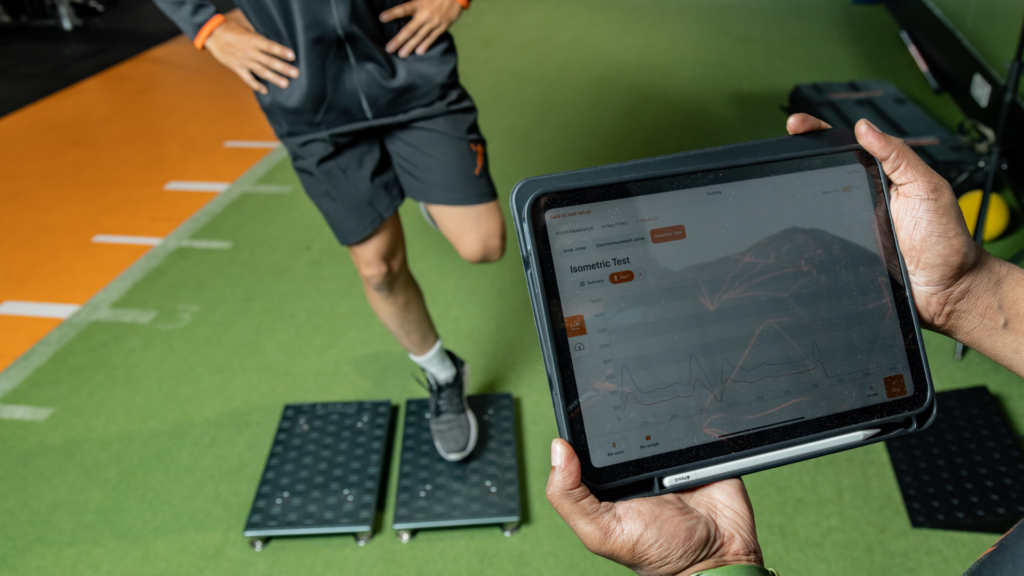
  • Force plates for biomechanical analysis

Subjective Monitoring Tools

  • Session RPE (sRPE) for internal load estimation
  • Daily wellness questionnaires
  • Visual analogue scales for fatigue assessment
  • Psychological readiness surveys

The relationship between training load and performance follows a non-linear dose-response curve (Soligard et al., 2016). Insufficient load results in underperformance and detraining, whilst excessive load precipitates fatigue accumulation and injury risk. The optimal training zone must be individually calibrated. Research demonstrates that single-metric approaches are insufficient, and multi-factor monitoring systems provide superior reliability and predictive validity.

  1. Daily Programme Adjustment
    Real-time data enable coaches to modify intensity and volume based on readiness
  2. Overtraining Prevention
    Early warning signs allow intervention before maladaptation occurs
  3. Long-term Development
    Individualised progression optimises adaptation whilst minimising injury risk
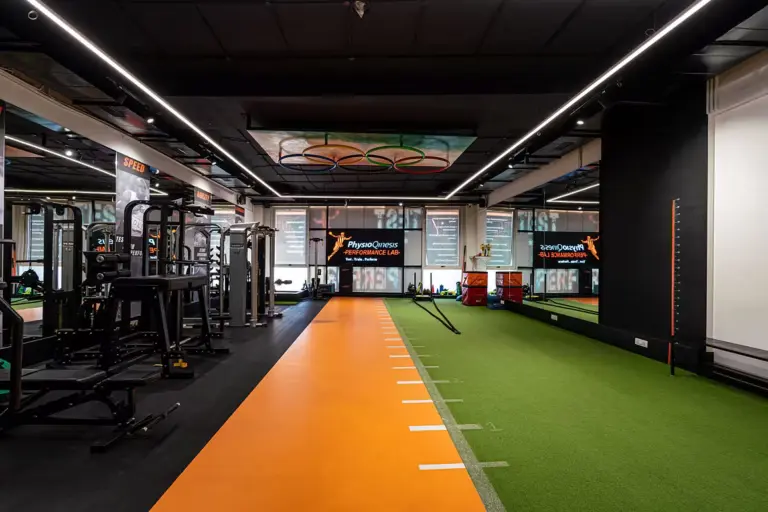
Emerging technologies include artificial intelligence for predictive analytics, advanced wearable biosensors, and integrated data management systems. These innovations aim to provide real- time insights and create highly personalised training environments. Future research should focus on validating machine learning algorithms for injury prediction and performance optimisation across diverse athletic populations.

Key takeaway: Individualised load and readiness monitoring represents a fundamental advancement in sports performance. By integrating multiple data sources and focusing on individual responses, practitioners can make evidence-based decisions that enhance performance and reduce injury risk.

Leave a Comment

Your email address will not be published. Required fields are marked *