
| Condition | Causes | Picture |
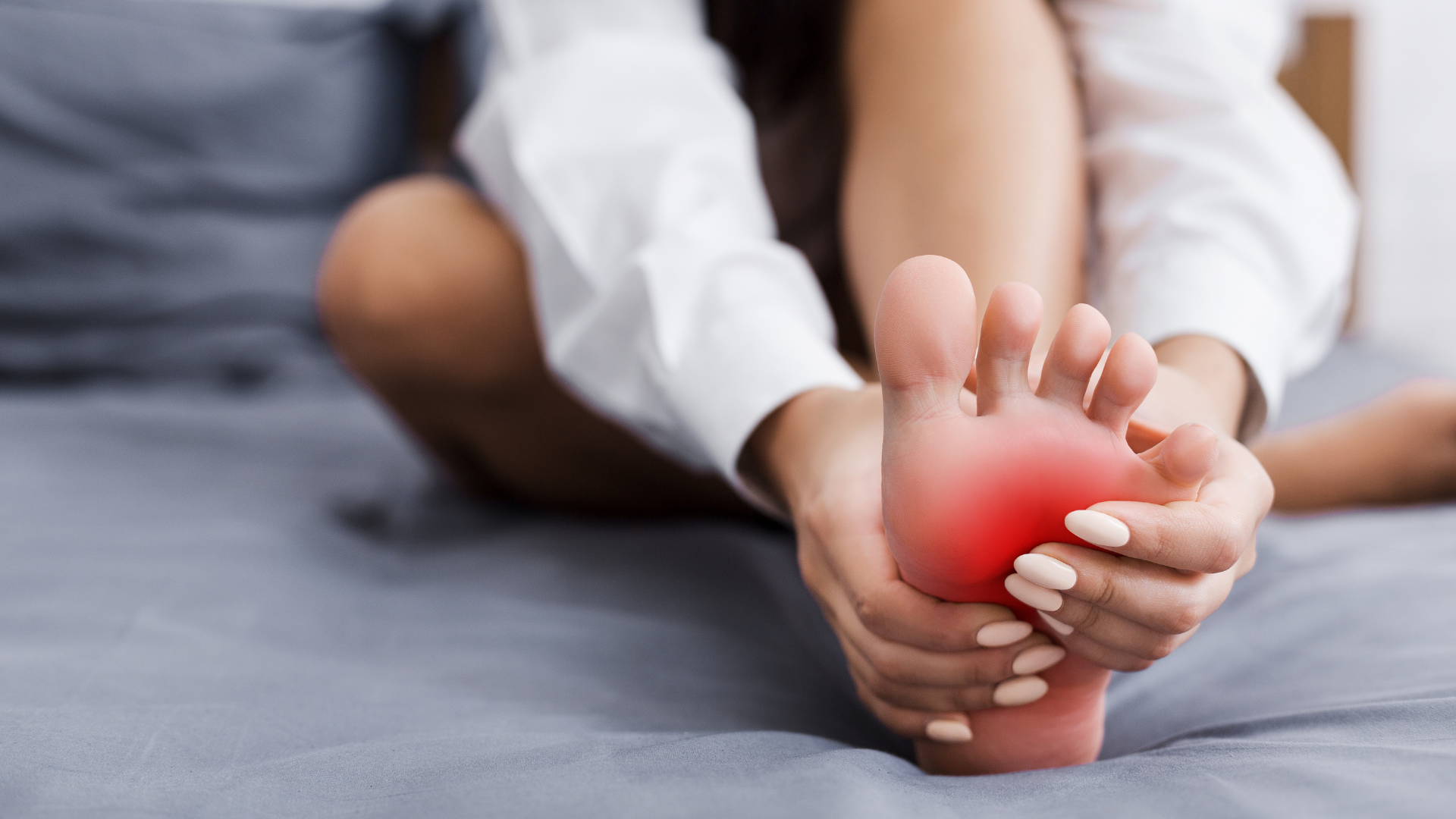
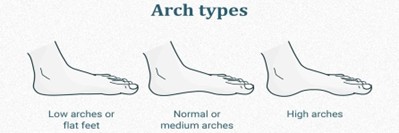
| Plantar fasciitis- Sharp heel pain, especially during the first steps in the morning | Flat or high arches, reduced support, repetitive loading | 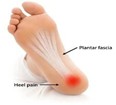 |
| Bunion- Bony bump at big toe with pain and toe shifting inward | Narrow footwear, prolonged pressure | 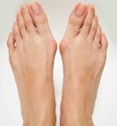 |
| Morton’s neuroma– Nerve irritation between toes causing burning, tingling, or a pebble-like feeling | Tight shoes, high heels, forefoot overload | 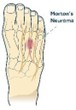 |
| Metatarsalgia- Pain and pressure in the ball of the foot, worse with standing/walking | Excess load, poor cushioning | 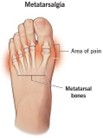 |
| Hammer toe- Abnormally bent toe causing stiffness and discomfort | Tight shoes, muscle imbalance | 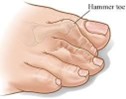 |
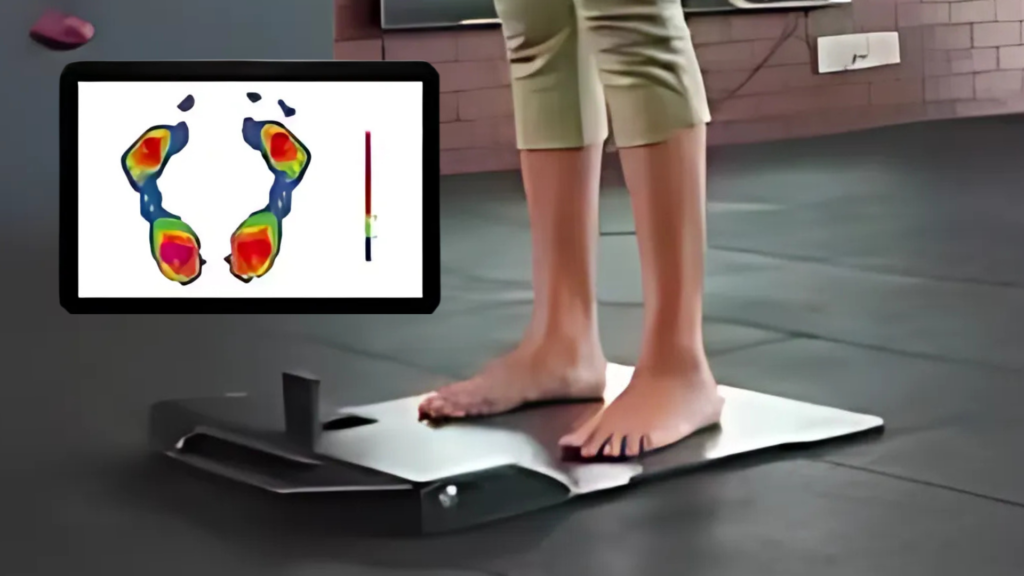
Assessing Movement Beyond Observation
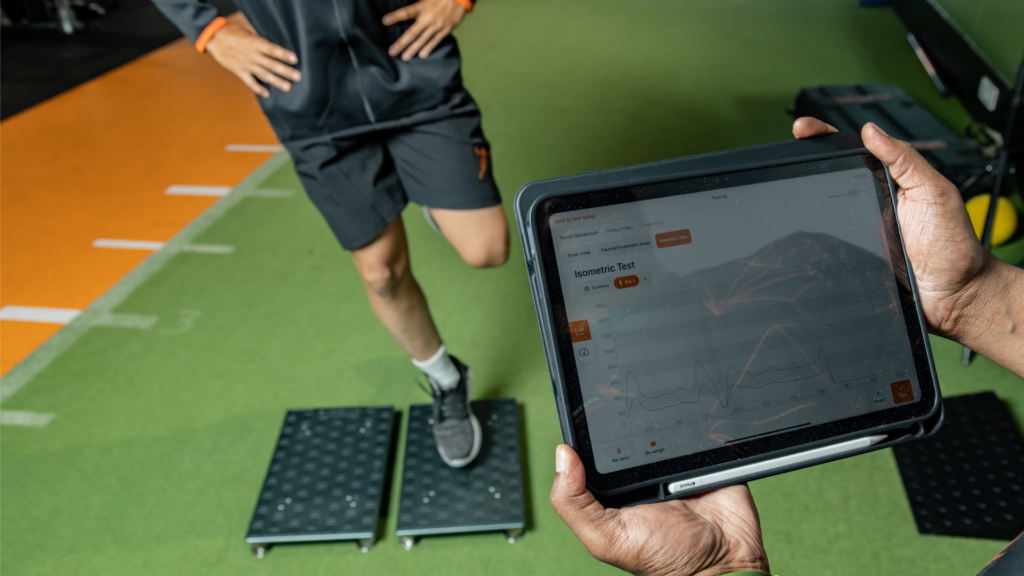
Traditionally, foot assessments relied on visual observation, but modern technology has shifted the focus toward objective data. Modern assessment tools, such as plantar pressure analysis and VALD systems, can now identify pressure imbalances, asymmetries, and movement inefficiencies before
they ever become painful injuries.
These systems provide objective insights into how you move, helping detect high-pressure areas and guiding personalised solutions to improve comfort, movement, and injury prevention.
The Role of Footwear
Shoes are not just about style; they play an important role in protecting and supporting your feet every day. The right footwear can provide support and cushioning, distribute body weight evenly, maintain proper foot alignment and reduce shock and risk of injury.
However, there is no “perfect shoe” for everyone. The ideal footwear depends entirely on an individual’s foot type, activity level, sport, and personal comfort.
Take Action for Your Foundation
You don’t have to wait for pain to start caring for your feet. Your feet influence every step, squat, run, and landing your body performs. Identifying small issues early may help improve movement
efficiency, reduce discomfort, and prevent minor problems from becoming long-term injuries.
1. Get a Foot Assessment
Consult a physiotherapist or podiatrist to better understand your walking or running pattern, foot posture, and areas of increased pressure or imbalance.
2. Check Your Footwear
Ensure your footwear is comfortable, supportive, provide enough space for your toes, and is suitable for your daily activities or sport.
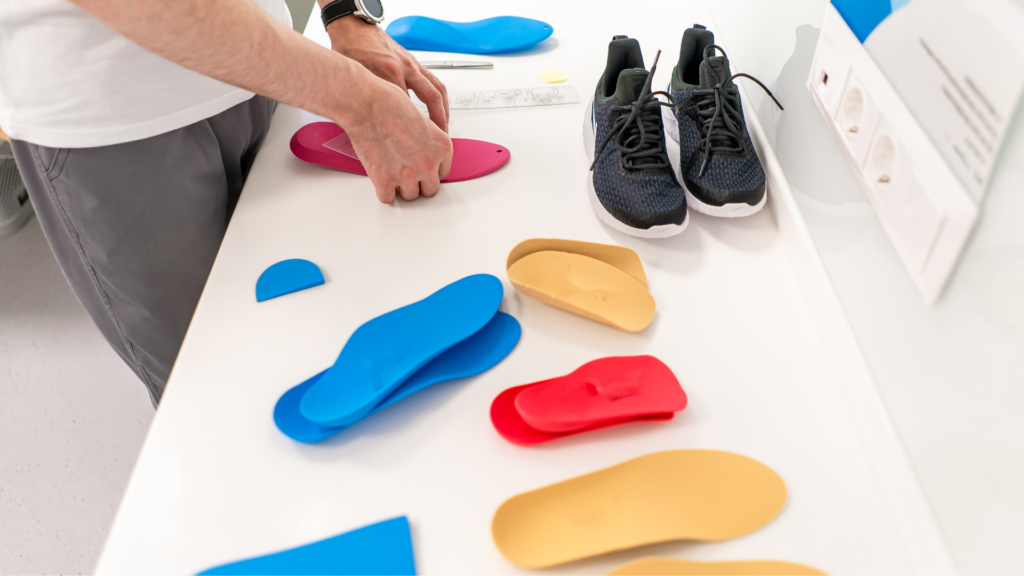
3. Consider Modifications
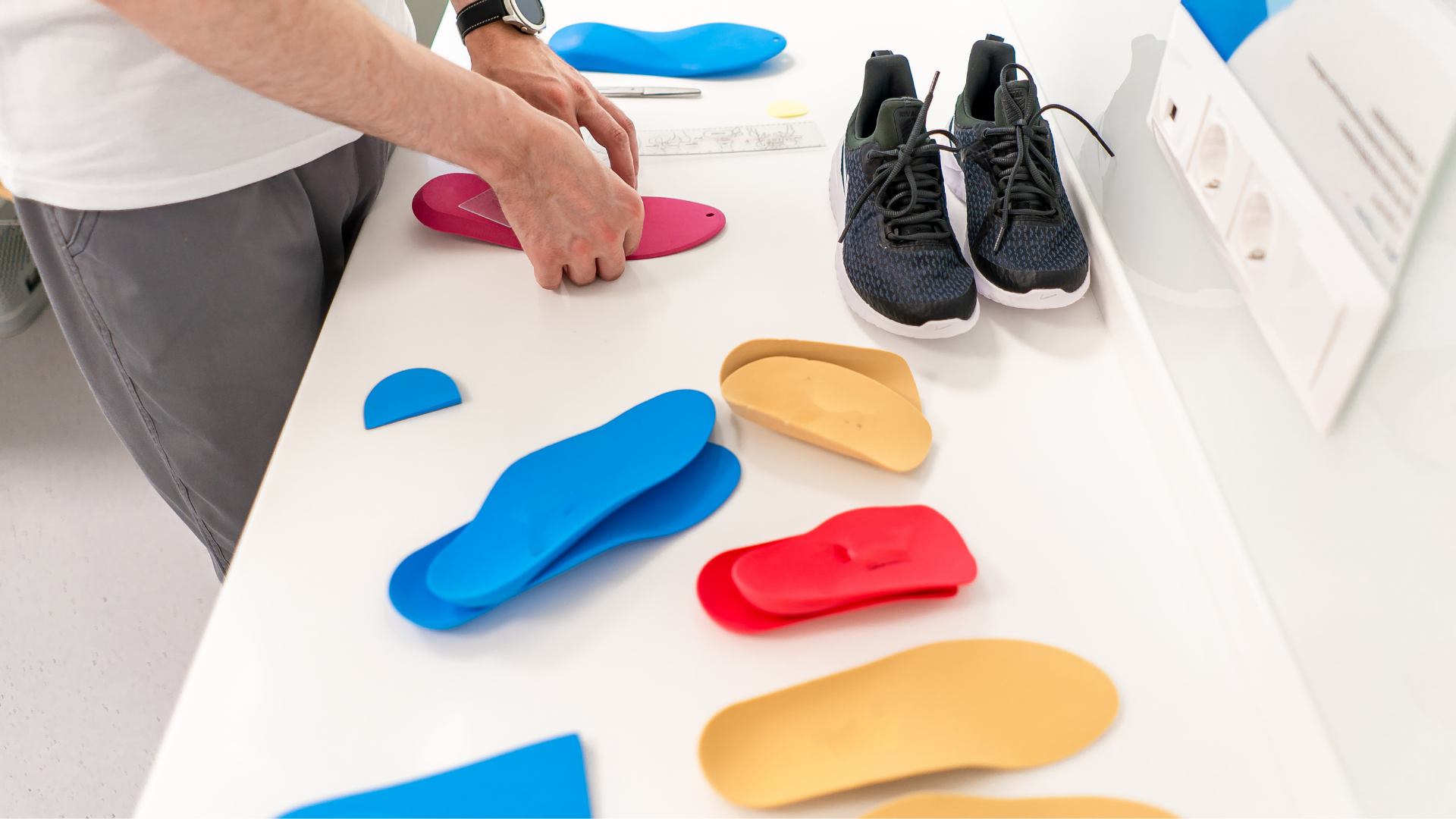
Simple modifications such as insoles, arch supports, or heel cups may help improve pressure distribution, cushioning, and increase overall comfort.
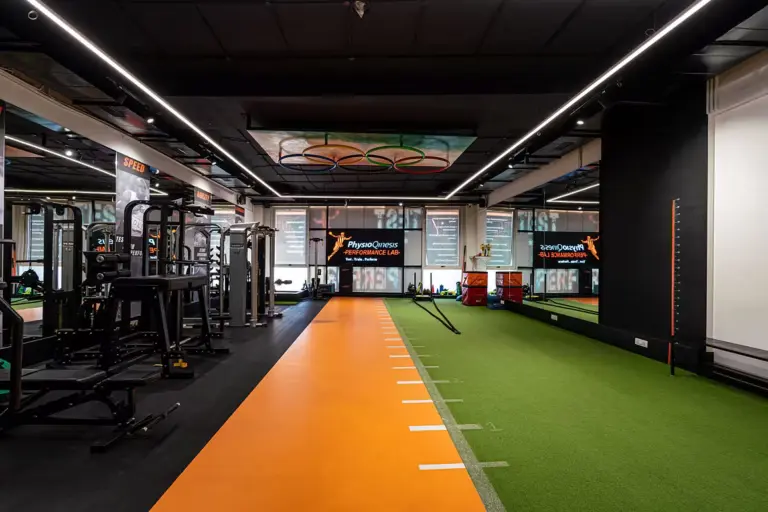
At Physioqinesis, our team of physiotherapists and podiatrists uses clinical and objective
assessments—including plantar pressure analysis and VALD systems—to better understand your movement patterns, loading, and pressure distribution. These insights help us provide personalised solutions, from exercise-based rehabilitation to footwear and insole recommendations, to keep you moving comfortably and confidently.
If you’re experiencing pain, discomfort, or recurring injuries, a professional foot assessment may help identify contributing factors early.