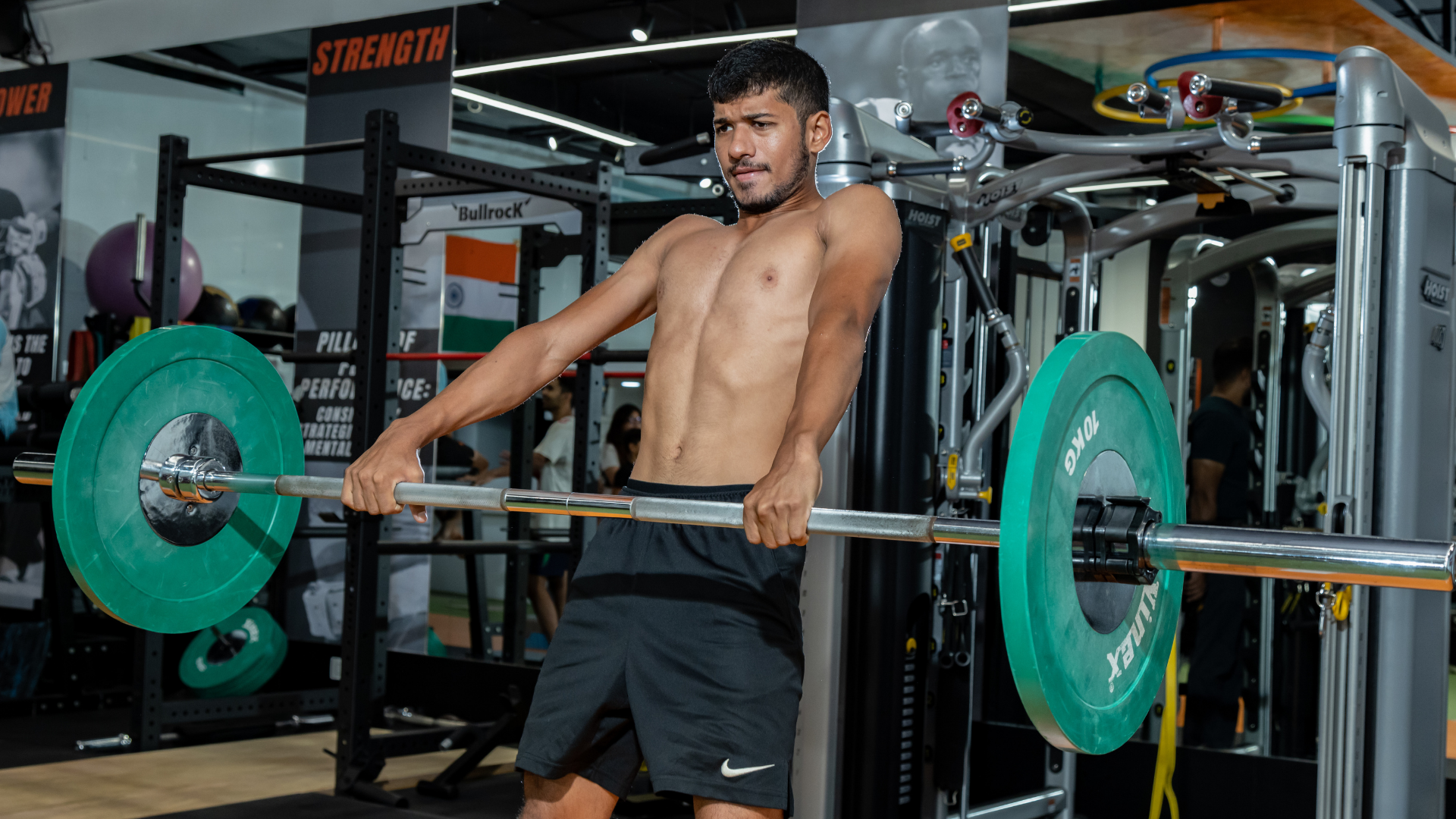
Individualised Load & Readiness Monitoring
Author :-Mr. Punit Mundhe
Current Evidence & Practical Applications
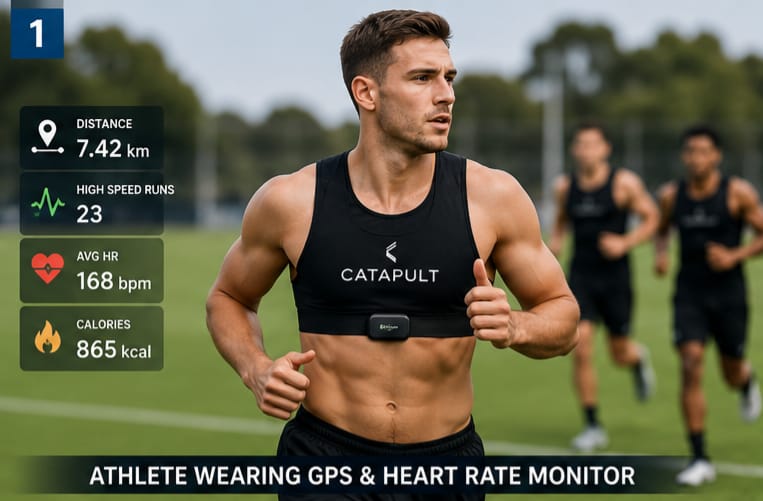
Neuromuscular Readiness
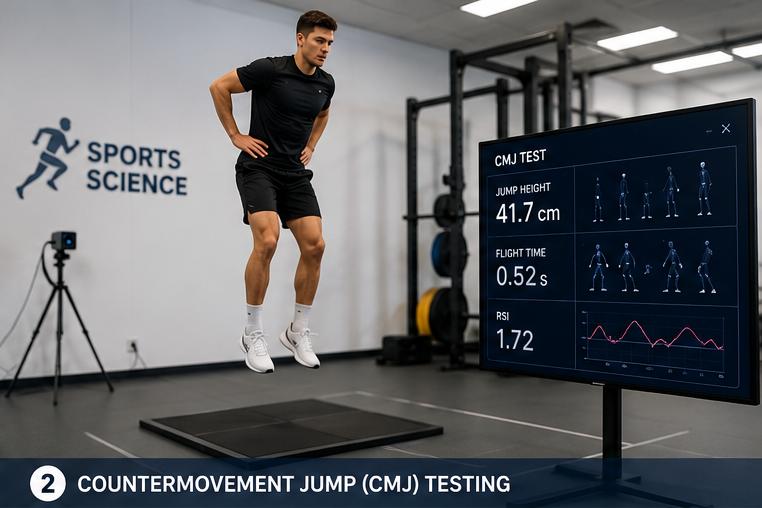
Autonomic Function
Subjective Wellness
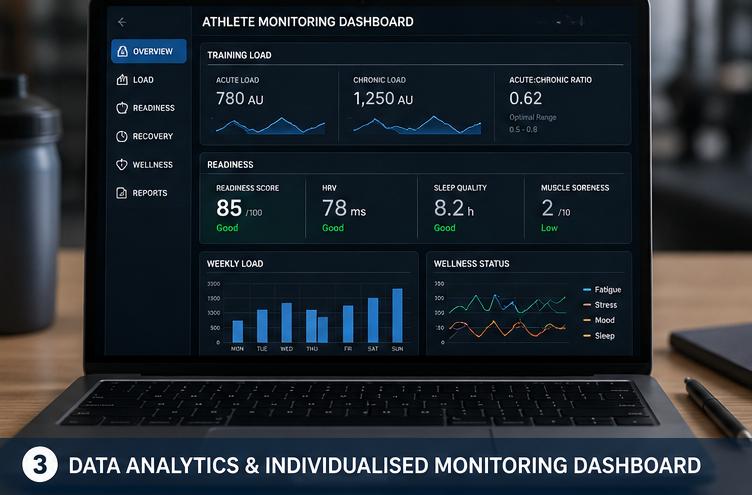
Objective Monitoring Tools
- GPS tracking systems for external load quantification
- Heart rate monitors for internal load assessment
- Wearable accelerometers and inertial sensors
- Force plates for biomechanical analysis
Subjective Monitoring Tools
- Session RPE (sRPE) for internal load estimation
- Daily wellness questionnaires
- Visual analogue scales for fatigue assessment
- Psychological readiness surveys
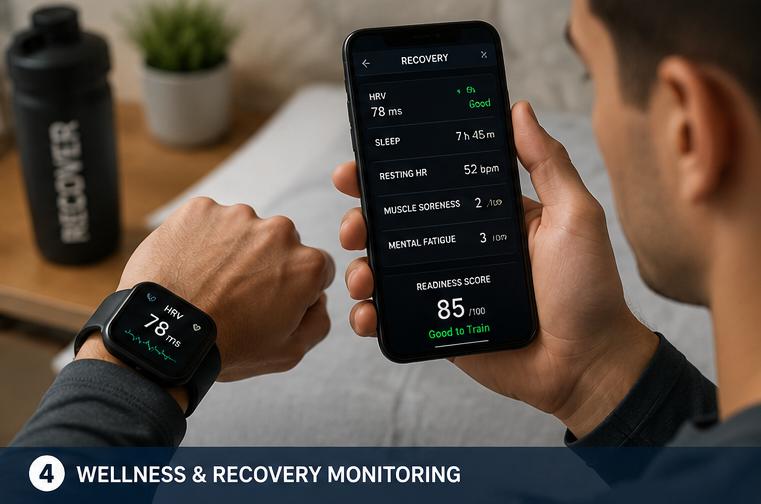
The relationship between training load and performance follows a non-linear dose-response curve (Soligard et al., 2016). Insufficient load results in underperformance and detraining, whilst excessive load precipitates fatigue accumulation and injury risk. The optimal training zone must be individually calibrated. Research demonstrates that single-metric approaches are insufficient, and multi-factor monitoring systems provide superior reliability and predictive validity.
- Daily Programme Adjustment
Real-time data enable coaches to modify intensity and volume based on readiness - Overtraining Prevention
Early warning signs allow intervention before maladaptation occurs - Long-term Development
Individualised progression optimises adaptation whilst minimising injury risk
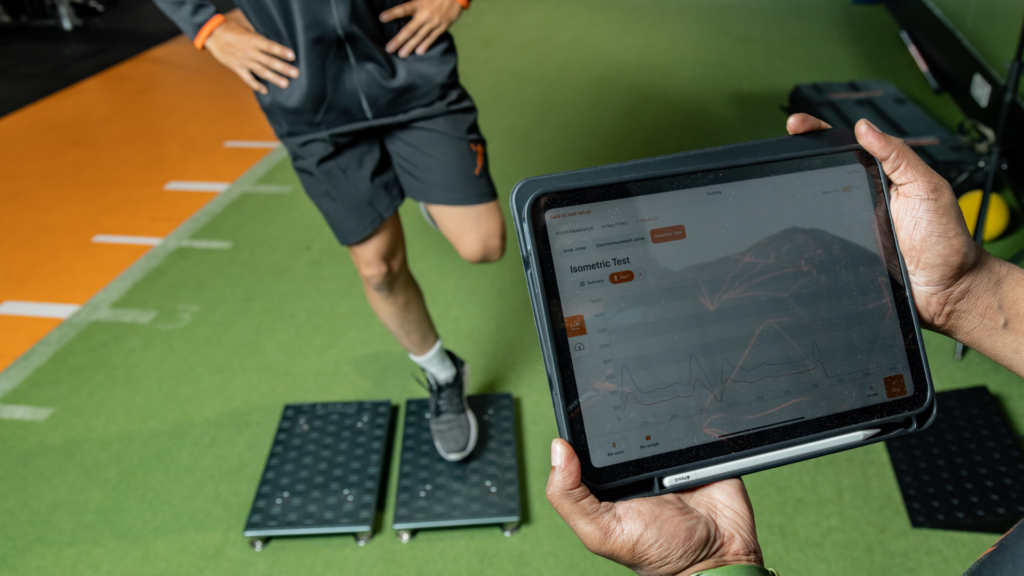
Emerging technologies include artificial intelligence for predictive analytics, advanced wearable biosensors, and integrated data management systems. These innovations aim to provide real- time insights and create highly personalised training environments. Future research should focus on validating machine learning algorithms for injury prediction and performance optimisation across diverse athletic populations.
Key takeaway: Individualised load and readiness monitoring represents a fundamental advancement in sports performance. By integrating multiple data sources and focusing on individual responses, practitioners can make evidence-based decisions that enhance performance and reduce injury risk.